News, events and chat from Sheffield and South Yorkshire.
Andy Burnham begins cost-of-living tour pledging to provide “everyday fixes” for rising bills
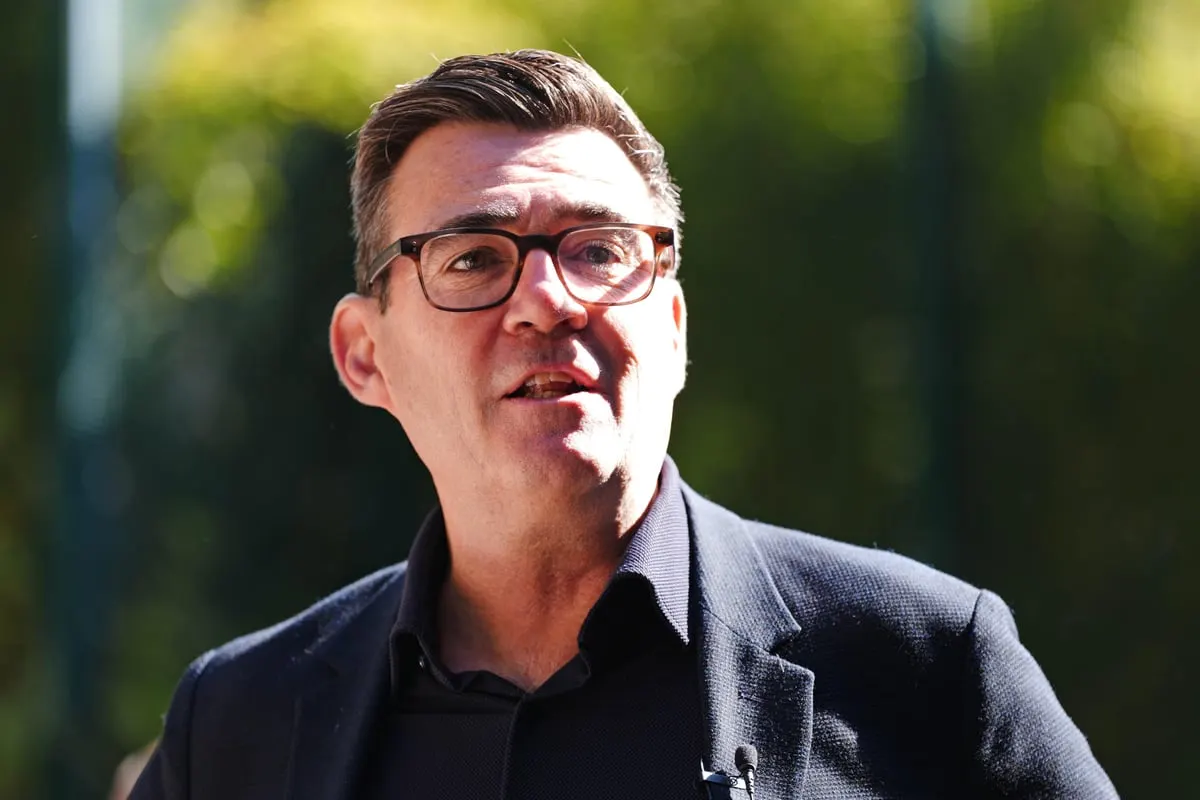
Prime Minister Andy Burnham has begun a summer tour pledging practical consumer protections to ease financial pressure on households. He is advancing regulations requiring clearer subscription costs and easier cancellation processes—moving implementation from spring 2027 to January 2026—and launching a consultation to classify deceptive discount practices as illegal market conduct, potentially saving households around £14 monthly according to government estimates.
Opposition figures have characterised the initiative as insufficient, labelling it a 'vanity tour' focused on minor remedies rather than meaningful economic policy, and have called for comprehensive tax reductions instead. The measures follow Burnham's earlier VAT cuts on energy and bus fare caps, though cost-of-living concerns persist as a dominant issue for voters, with recent polling showing roughly three in ten people view the economy as their primary worry.
In short
- PM Andy Burnham launches cost-of-living tour, accelerating consumer protections on subscription cancellations and reviewing deceptive discount practices
- Opposition dismisses the measures as 'tinkering' and 'vanity tour', demanding broader tax cuts instead
- Cost of living remains a top public concern as Burnham promises additional announcements throughout August
Steelman: both sides, in good faith
The strongest fair case each way — we don't pick a winner.
The case for
These measures directly address documented market failures where consumers are systematically disadvantaged by subscription traps and deceptive discounting. Whilst £14 monthly may seem modest, it compounds across millions of households and removes friction from legitimate spending decisions, freeing both money and mental energy from combating predatory practices. These regulations complement rather than replace broader economic policies, and accelerating implementation to January 2026 demonstrates responsive governance addressing genuine consumer complaints that, though incremental, deliver tangible protection for vulnerable households.
The case against
The government presents minor consumer protections as meaningful cost-of-living relief, yet the promised savings are negligible against the scale of household financial distress. A family struggling with energy bills or mortgage costs gains little from rules on subscription cancellation, which addresses a symptom rather than underlying economic weakness. Comprehensive tax reduction or wage-supporting policies would materially improve living standards, whereas this tour risks being perceived as theatrical deflection from the systemic economic reforms genuinely needed to tackle cost-of-living pressures that continue dominating voter concerns.
Explained simply
The cost of living is the amount households spend on essentials such as energy, transport and food. When prices rise faster than incomes, families have less money available for other costs, making bills and everyday purchases a major concern for voters.
The government can affect household costs through taxes, price rules and consumer protection laws. Subscription services, for example, can be difficult to cancel or may make the full cost unclear; rules on discounts aim to prevent shoppers being misled by prices that appear lower than they really are.
Political parties disagree over how best to ease financial pressure. Some favour targeted protections and changes to specific bills, while others argue that broader measures such as tax cuts are needed; the debate matters because it affects both household finances and the choices voters face.