Politics news and discussion on TalkFuse.
Vulnerable battleground Dem embraces ‘no tax on tips’ after voting against Trump bill
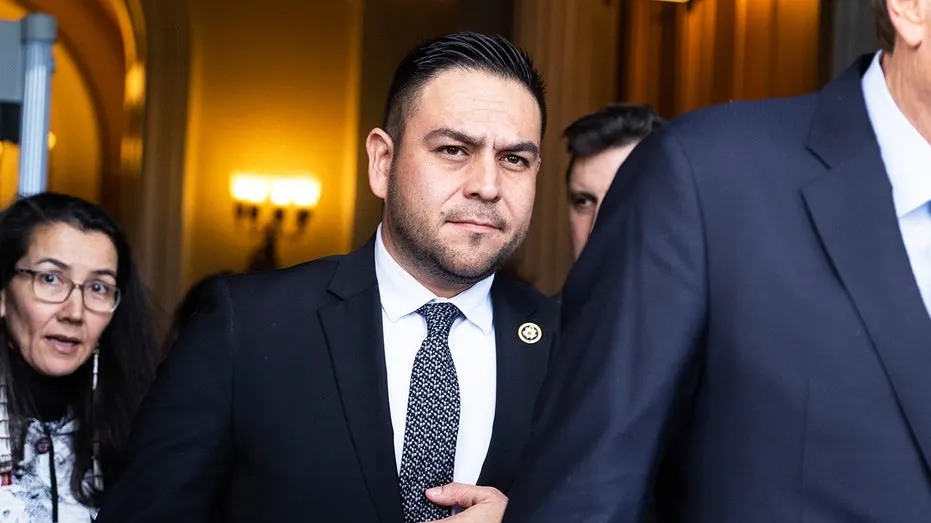
Democratic Congressman Gabriel Vasquez of New Mexico, who represents a competitive swing district, has voted against the Trump administration's tax and spending package that included a "no tax on tips" provision, but he is now backing the policy and pushing to expand it. The move highlights the political balancing act facing vulnerable Democrats in Republican-leaning or swing districts, who must weigh opposition to broader legislation from Donald Trump's agenda against the popularity of individual measures such as tax relief for tipped workers.
Vasquez opposed the wider package, often referred to by Republicans as the "big, beautiful bill," which its supporters say delivers tax benefits to millions of Americans, including increased child tax credits, tax-free tips and overtime pay, and relief for more than 45 million seniors and 127 million families. Despite voting against the overall bill, Vasquez has since embraced the specific "no tax on tips" element and is seeking to broaden its scope, reflecting efforts by battleground Democrats to appeal to working-class voters ahead of upcoming elections.
In short
- Rep. Gabriel Vasquez opposed Trump's tax bill but backs "no tax on tips"
- He now wants to expand the tips tax exemption policy
- Move reflects swing-district Democrats' careful positioning on Trump-era tax law
Steelman: both sides, in good faith
The strongest fair case each way — we don't pick a winner.
The case for
Supporting discrete popular provisions whilst opposing broader Republican legislation is strategically sound for vulnerable Democrats, as measures like tax-free tips genuinely benefit working-class constituents and warrant endorsement on their merits. This pragmatic approach demonstrates responsiveness to constituent interests whilst maintaining principled opposition to the wider package, and it insulates Democrats against charges of blanket partisan obstruction.
The case against
Voting against comprehensive legislation whilst subsequently championing its specific provisions risks appearing opportunistic rather than principled, and it could inadvertently legitimise the broader Republican agenda by suggesting Democrats' objections were selective rather than substantive. Unified party opposition, even when politically costly, provides clearer messaging and moral consistency than tactical support for popular measures based on electoral calculation.
Explained simply
Tipped workers in the United States, such as restaurant servers, usually report their tips as income and pay federal tax on them. A “no tax on tips” policy would exempt some or all of that income from federal tax, though the details depend on how the policy is written.
Congress votes on large bills that combine many tax and spending measures, so lawmakers may oppose a whole package while supporting one part of it. Gabriel Vasquez represents a New Mexico district where elections are closely contested, making the views of local voters on tax relief especially relevant.
The debate matters because changes to tax rules affect workers’ take-home pay and government revenue. It also shows how lawmakers from competitive districts weigh individual popular proposals against the wider packages in which they are included.