Entertainment news and discussion on TalkFuse.
10 Story-Driven Video Games That Are Perfectly Written
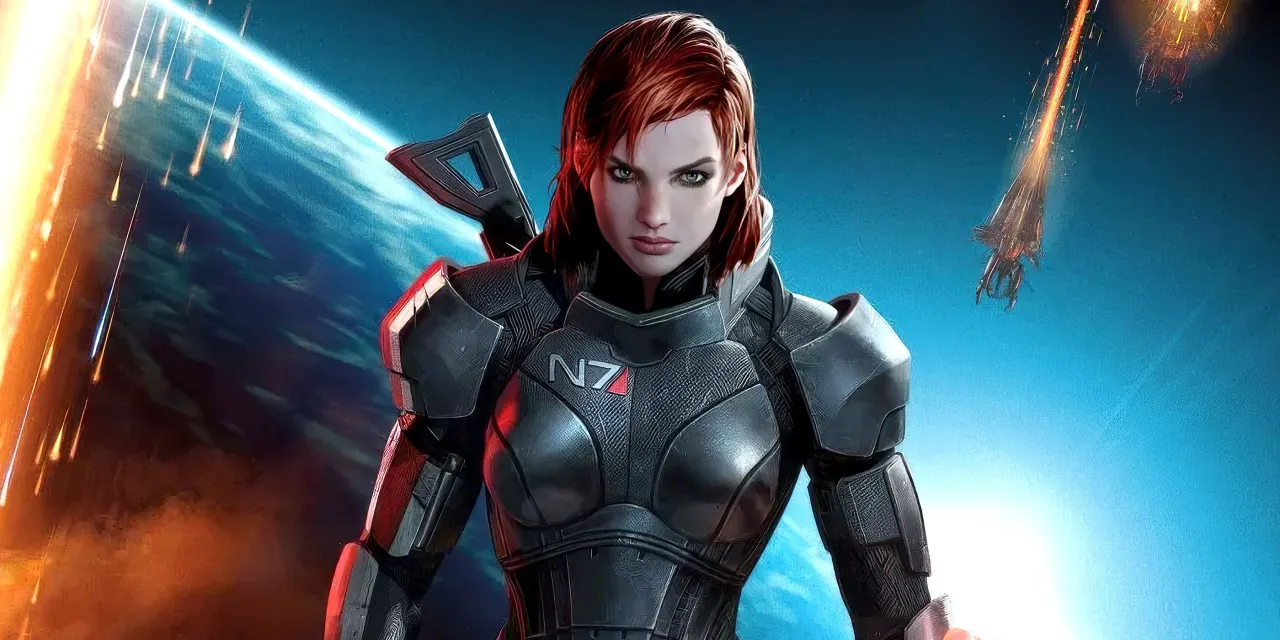
Collider has published a list of ten story-driven video games praised for their exceptional writing, exploring how the medium uniquely places players inside a narrative rather than as passive observers. The article argues that balancing scripted plot with meaningful interactivity is a difficult craft, and highlights titles that succeed in combining strong plotting, memorable characters and thematic depth to create emotionally resonant experiences.
Among the games featured are Life is Strange (2015), praised for its time-rewind mechanic and emotionally raw exploration of choice and consequence over five episodes, and Final Fantasy VI (1994), described as the gold standard of fantasy RPG storytelling thanks to its bold mid-game plot twist involving a betrayal by a sociopathic court magician. The full list spans eight further entries not detailed in the extract, spotlighting how varied genres and eras of gaming have each found distinct ways to deliver compelling, well-written narratives.
– Collider lists ten video games considered exemplary for narrative writing – Life is Strange (2015) and Final Fantasy VI (1994) are among those highlighted – Article explores how games balance player agency with scripted storytelling
Steelman: both sides, in good faith
The strongest fair case each way — we don't pick a winner.
The case for
Video games achieve narrative excellence by uniquely situating players as active participants within unfolding stories rather than passive observers. The games highlighted here demonstrate that when writers skilfully weave player agency into thematic and emotional arcs, the results prove genuinely profound. The medium's power lies precisely in this integration—choice becomes not a compromise of storytelling but an essential element through which meaning is created and experienced.
The case against
Games can tell engaging stories, but the structural requirement to accommodate player choice fundamentally constrains narrative craft. True excellence in writing demands authorial precision over pacing, characterisation and resolution that interactive agency necessarily disrupts. Most games ultimately sacrifice either narrative coherence for choice or meaningful choice for story, making it difficult for the medium to match the writing excellence achievable in novels, films and theatre.
Explained simply
Story-led video games use characters, events and themes to give players a narrative to follow. Unlike readers or film viewers, players also take actions within the game, so writers must make room for interaction while keeping the story coherent.
Life is Strange is an episodic adventure game in which its lead character can rewind time, making choices and their consequences central to the story. Final Fantasy VI is a role-playing game set in a fantasy world, known for a major plot turn involving a court magician.
These examples come from different eras and genres, showing that games can tell stories in varied ways. Their writing matters because plot, character and player choices can combine to shape how the experience feels.