World news and discussion on TalkFuse.
Steam’s Controversial Refund Decision Could Set a Dangerous Precedent
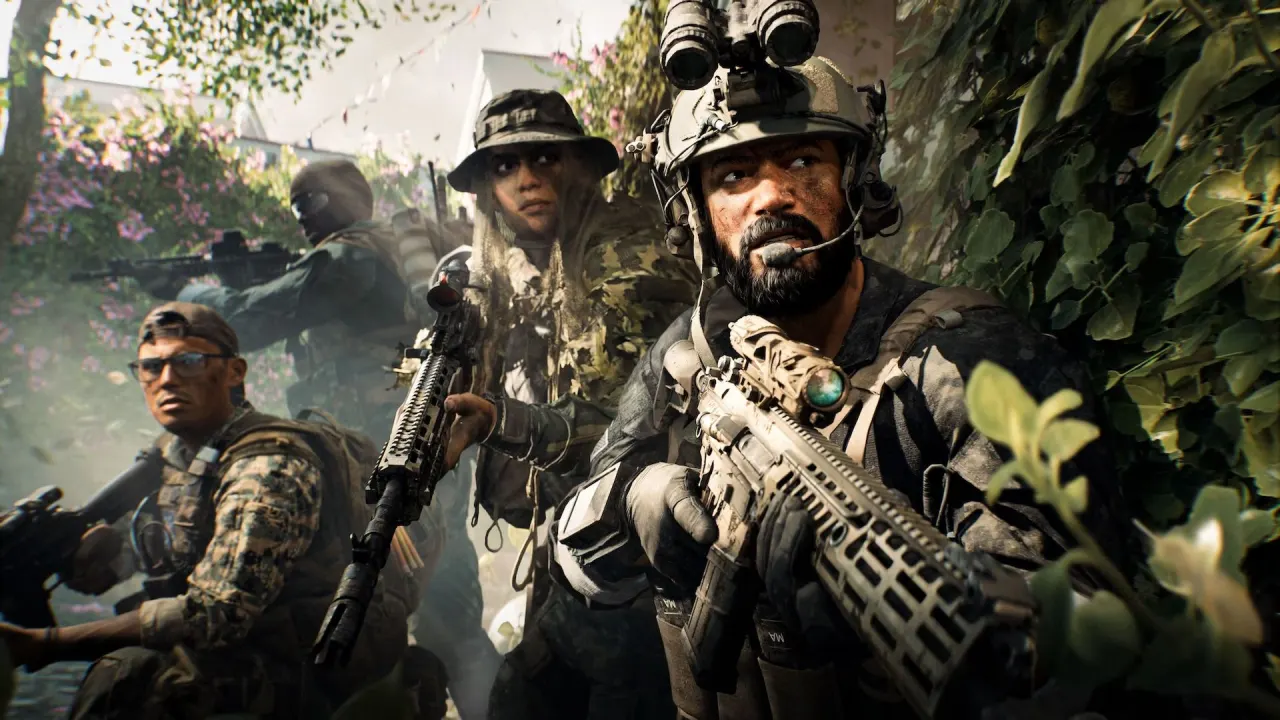
A Steam user claims to have received a full refund for Battlefield 6 after complaining that developers had removed popular game modes, including King of the Hill, Squad Deathmatch and Rush, without warning. The case has drawn attention because it suggests Steam's refund policy may be more flexible than commonly assumed, potentially allowing players to reclaim money for games that no longer offer content advertised at launch, even well outside the platform's standard two-hour, two-week refund window.
The player, known as ExplorEverythingOnce, had logged over 470 hours in Battlefield 6 since its launch and paid $109.24 for the Phantom Edition, yet a Steam support agent agreed removing the modes "wasn't right" and issued a full refund. Battlefield Studios has said the modes were only temporarily rotated out to boost activity on under-used servers, rather than permanently cut. Because the claim rests on a screenshot and an online post, it cannot be independently verified, but if genuine it could prompt other disgruntled players, in Battlefield 6 or other multiplayer titles affected by similar "vaulting" of content, to seek comparable refunds from Steam.
In short
- Steam reportedly refunded a Battlefield 6 player after mode removals
- Player had 470+ hours played, refund exceeded normal policy limits
- Case could encourage similar refund claims from other players
Steelman: both sides, in good faith
The strongest fair case each way — we don't pick a winner.
The case for
Advocates for flexible refund practices argue that players deserve protection when developers remove significantly advertised features from their purchases. A consumer who invested time and money based on specific content offerings has a legitimate claim when those offerings disappear, and platforms should provide meaningful recourse regardless of elapsed time. This reflects a consumer protection principle: if a product materially changes from what was marketed, the buyer should have a remedy.
The case against
Proponents of strict refund policies contend that clear, predictable guidelines protect both players and developers from exploitation and uncertainty. Content rotation is inherent to live service games; allowing refunds far outside standard windows based on subjective assessments of content changes would create an exploitable precedent. Developers require reasonable freedom to iterate on their games without facing potential mass refund demands whenever they update gameplay or rotate features.
Explained simply
Steam is a digital shop where people buy and download PC games. Its usual refund rules allow a refund within 14 days of purchase if the game has been played for less than two hours, though support can consider requests outside those limits.
Battlefield 6 is an online shooter made by Battlefield Studios, with multiplayer modes that can be added, removed or rotated over time. The player at the centre of this account says several modes disappeared after launch; the studio says they were temporarily taken out to bring more activity to less-used servers.
The issue matters because players may expect paid games to keep offering the content they bought, while studios may change online games after release. If Steam accepts refund requests in cases like this, it could affect how players, game makers and the platform handle future changes to paid games.