Corsair isn’t rolling in money from its mega-expensive RAM kits—and it’s all thanks to higher component costs and lower demand
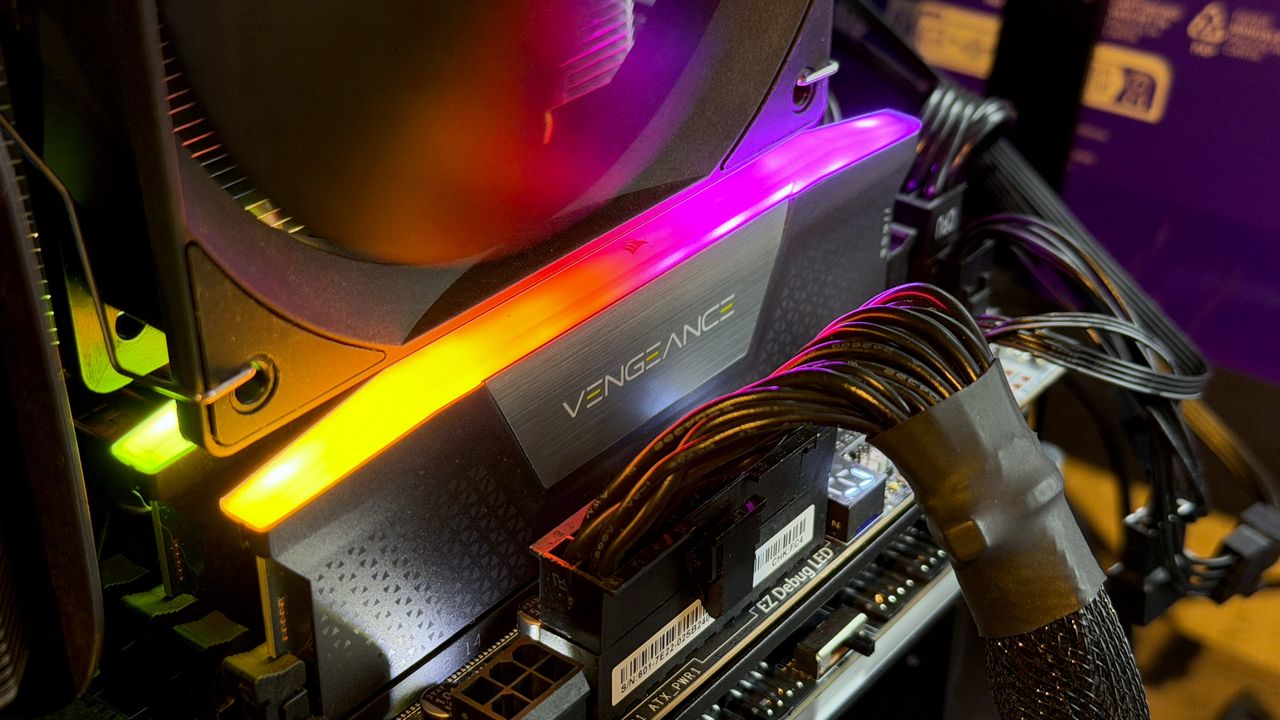
Corsair is experiencing unexpected revenue challenges despite selling high-priced RAM. Gaming component revenue fell 9% in Q2 2026, with a 32GB Vengeance DDR5 kit now commanding $480 compared to its previous $90–100 price tag. However, gross profit increased 17%, revealing a more complex picture than headline prices suggest.
The discrepancy arises from Corsair's dual market position: the company both manufactures and sells memory products whilst purchasing components from third-party suppliers including Samsung, SK Hynix, and Micron. Elevated memory prices inflate Corsair's own procurement costs across its broader product range, offsetting gains from higher-margin RAM sales. Memory revenue rose but other component product revenue declined substantially, demonstrating how supply-chain exposure can diminish profitability even amid steep consumer-facing price increases.
- Corsair's Q2 2026 gaming revenue declined 9% year-over-year despite RAM prices surging dramatically (32GB kits up from $90–100 to $480)
- The company faces margin pressure because whilst high memory prices boost RAM sales, they simultaneously inflate Corsair's own component purchasing costs for other products