Culture news and discussion on TalkFuse.
“They don’t understand art” – id Software lead slams Xbox, says it’s “impossible” to make games like 2016’s Doom now
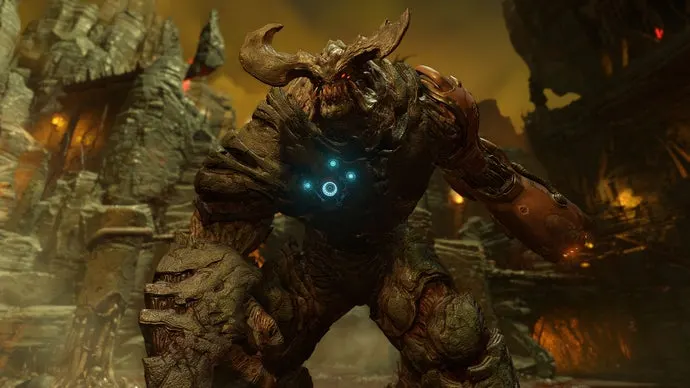
A lead developer at id Software has publicly criticised Microsoft over recent layoffs at the studio, saying it is now "impossible" to make triple-A games like 2016's Doom with half the staff. Chris Hayes, id Software's lead services provider, made the comments in a roughly 90-minute interview on the Well Played podcast, disputing Microsoft's claims that the studio remains fundamentally unchanged and accusing leadership of failing to understand how the studio's creative and business processes actually work.
Hayes rejected internal reassurances that "we are still the same id," countering that the studio is "half the same id" after losing entire departments and disciplines. He also disputed Microsoft's comparison of current staff numbers to those on 2016's Doom, and criticised the use of Game Pass to judge sales performance. The layoffs form part of a wider Microsoft "Xbox reset" announced last month, which cut 3,200 jobs across its gaming division, 1,600 of them immediately, with the remainder to follow.
In short
- id Software lead says halved staff makes triple-A games "impossible" to make
- Chris Hayes disputes Microsoft's claims the studio is unchanged post-layoffs
- Cuts are part of Microsoft's wider 3,200-job "Xbox reset"
Steelman: both sides, in good faith
The strongest fair case each way — we don't pick a winner.
The case for
Developing triple-A games of Doom's calibre requires substantial teams across art, design, engineering, and supporting disciplines, and halving the workforce means losing entire departments with specialised expertise that cannot be quickly rebuilt. The comparison to 2016's Doom staffing is misleading when contemporary games face modern quality expectations whilst using equivalent or fewer resources; even with superior tools, creative ambition and production depth suffer materially when key roles are eliminated. Hayes's concern reflects ground-level reality: efficient processes and modern technology cannot fully replace the creative firepower that comes from dedicated specialists working collaboratively at scale.
The case against
Technology has advanced substantially since 2016, with superior development tools, middleware, and AI-assisted workflows that allow smaller teams to accomplish what previously required larger workforces. The studio can remain artistically vital by focusing scope appropriately—not every project must be a mega-budget blockbuster, and sustainable profitability requires difficult efficiency decisions across the gaming division. The notion that layoffs automatically undermine creative output conflates size with quality; thoughtful resource allocation and strong leadership can maintain artistic excellence whilst rationalising costs to reflect market conditions and profit margins.
Explained simply
id Software is the studio behind Doom, a long-running series of action games. Its 2016 game was a major production involving people in many roles, from game design and art to technical work and online services. Chris Hayes, identified as the studio’s lead services provider, has discussed how those roles fit together.
Microsoft owns id Software through its Xbox gaming division. The studio’s cuts are part of wider job losses across Microsoft Gaming, which includes Xbox and its other game studios. Company leaders and developers may assess a studio’s size and output differently, including how they count staff and measure a game’s performance.
The issue matters because large games rely on teams with a mix of specialist skills, and losing roles can affect how a studio works. Game Pass, Microsoft’s subscription service for games, also complicates comparisons with games sold individually, since players can access titles through a subscription.
Art Culture Entertainment Gaming Software Technology