World news and discussion on TalkFuse.
‘Total incinerated destruction’: Canada wildfire evacuees wonder if they still have homes
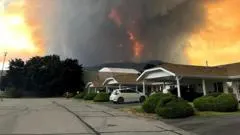
A wildfire in British Columbia's Okanagan region has forced thousands to flee their homes, with officials still assessing how many properties have been destroyed. The Bald Range Fire broke out on Friday and rapidly expanded to 53 square miles within hours, leaving evacuees uncertain whether their homes have survived, while an 80-year-old woman died while trying to escape the blaze.
More than 12,000 residents remain under evacuation orders, and the fire is one of over 100 currently burning across British Columbia, 70 of which started in just the past week. Premier David Eby has declared a provincial state of emergency, warning that the fires are spreading "incredibly quickly" amid severe drought conditions that have left Okanagan Lake at its lowest level since 1992. The blaze follows another nearby fire, Bradley Creek, believed to have destroyed more than 200 homes, while similar drought-driven wildfires have also displaced over 65,000 people in neighbouring Washington state and caused devastation in Spain and France this summer.
In short
- Bald Range wildfire in British Columbia forces mass evacuations
- One woman, 80, dies fleeing the fast-moving blaze
- Province declares emergency amid over 100 active wildfires
Explained simply
British Columbia is Canada’s westernmost province, and the Okanagan is a dry, often hot region in its south. Wildfires are common there, but drought can leave vegetation and water supplies unusually low, helping fires spread and making them harder to control.
Residents may be ordered to leave before officials know which homes have burned, so evacuees can face uncertainty while damage is assessed. Provincial authorities coordinate the emergency response, while Premier David Eby leads the provincial government.
The fires matter because they threaten lives, homes and communities, and can displace large numbers of people. Wildfire risk is also affecting places beyond British Columbia, including neighbouring Washington state.