Video games news, releases, esports and culture — all the biggest gaming stories in one place.
20 Years Later, One of the Best Platformers Ever Officially Makes A Comeback
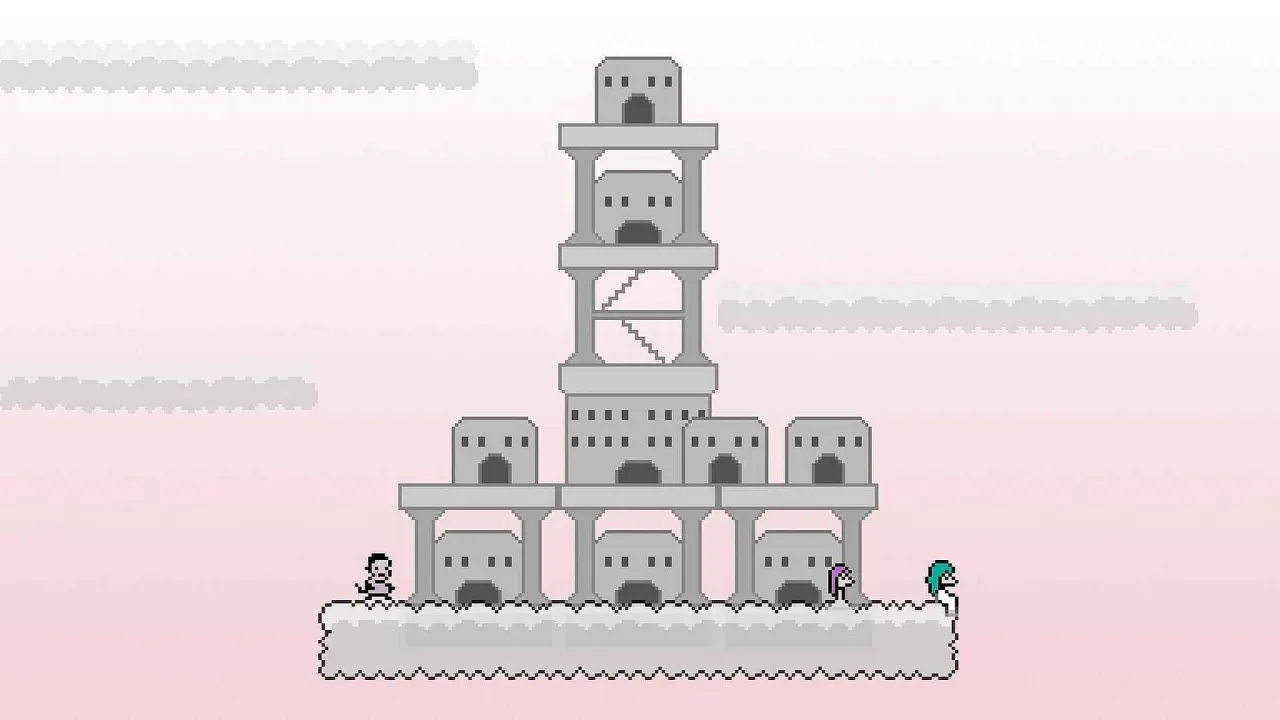
Swedish developer Nifflas released the original Knytt as a free Windows PC platformer in 2006, spawning a beloved series that includes Knytt Stories and Knytt Underground. To mark its 20th anniversary, the original game has now been rebuilt and re-released as Knytt Classic, giving a modern audience access to the title that launched the franchise. The remake was developed by Bit Kid, the studio behind Chasm and Wolfhound, whose founder James Petruzzi said the project felt "joyful and almost meditative" to work on.
Knytt Classic, announced and released this Monday, rebuilds the original pixel-perfect for modern hardware and remains free to play, as the 2006 version was. It preserves the game's slow-paced "zen-like" platforming, in which players guide the titular creature across an alien planet to gather parts for a ship home. New additions include an achievement list, full gamepad support, retro display filters such as CRT and handheld LCD styles, and two tougher modes, "UltraTough" and "Brutally Unfair Knytt", plus an Extra Hard mode designed by Baba Is You creator Hempuli. It is available now on Linux, macOS and Windows PC.
In short
- Knytt Classic, a free remake of the 2006 original, is out now
- Rebuilt pixel-perfect for modern PCs by developer Bit Kid
- Adds achievements, gamepad support and new hard modes
Explained simply
Knytt is a quiet platform game first released for Windows in 2006 by Swedish developer Nifflas. Players guide a small creature across an alien planet, collecting parts to repair a ship and get home; its unhurried exploration helped it gain a following and led to other games, including Knytt Stories and Knytt Underground.
The series grew from a small independent game made outside the large studios that produce many familiar releases. Knytt Classic is the original game rebuilt for current computers, with its central journey and slow-paced style retained. Its story matters to players interested in how independent games can find an audience and inspire a series over time.