Culture news and discussion on TalkFuse.
Overwatch 2 brings back old battle passes with flexible rewards
Developed over time first seen 4 months ago
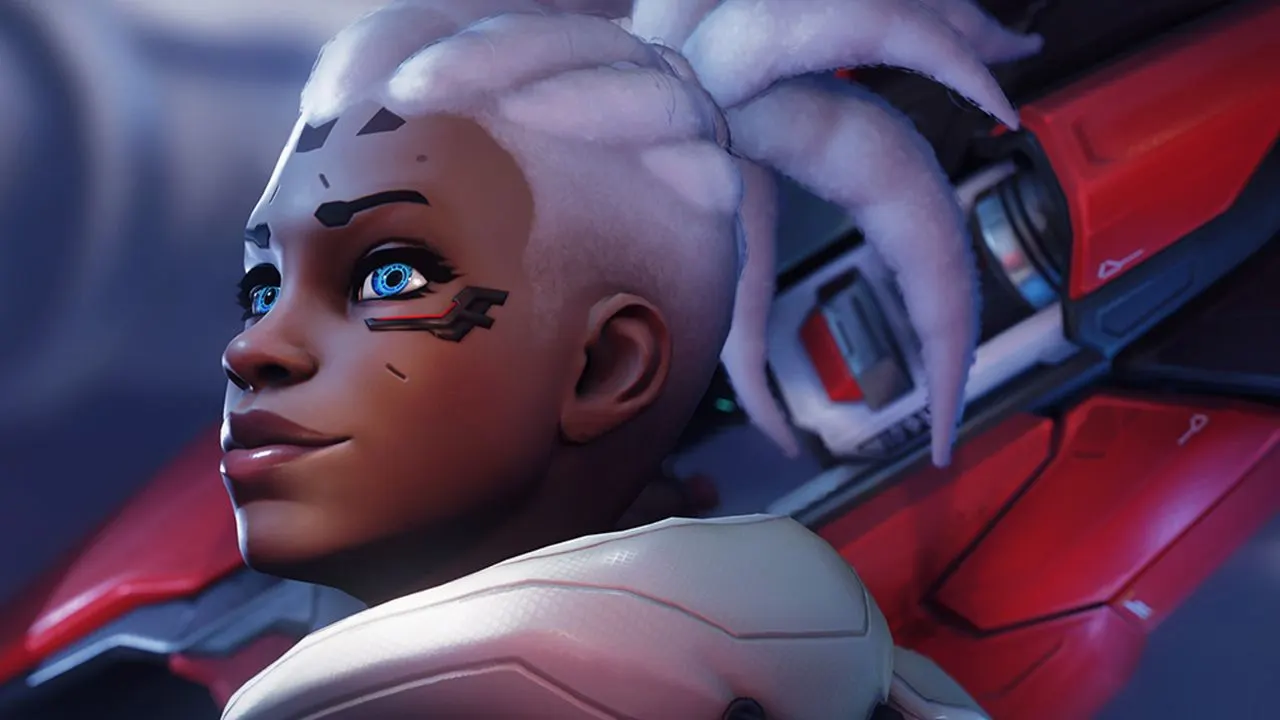
Blizzard is permanently reviving Overwatch 2's earlier limited-time battle passes as purchasable content from next month, reversing years of player frustration over cosmetics that had previously vanished once their original season ended. Some rewards from those older passes will not be carried over into the reissued versions, but the move forms part of a broader effort by the developer to make previously exclusive items more widely accessible to the player base.
The change lands alongside Season 4's redesigned battle pass system, which introduces multiple tracks to give players greater control over the rewards they earn, including the ability to swap out or replace skins they don't want rather than being locked into a fixed line-up. Product director Chris McCabe described the overhaul as a direct response to sustained community feedback about the rigidity of the previous seasonal model.
- Sources
- 2
- Outlets
- 2
- Left · Centre · Right
- 0 · 0 · 0
In short
- Old Overwatch 2 battle passes return permanently for purchase from next month
- Some original rewards will be excluded from the reissues
- Season 4 introduces flexible, multi-track passes letting players swap unwanted skins
How this story developed
- 4 months ago Reporting reaffirmed the core details of the revival and Season 4 redesign, with no new developments beyond the previously confirmed plans to relaunch old passes and give players more control over their earned rewards.
- 4 months ago Coverage of the announcement expanded to detail that the new multi-track system specifically enables players to replace individual unwanted skins within their chosen battle pass, a fix product director Chris McCabe tied to complaints about the old fixed reward lists.
- 4 months ago Blizzard announced that Overwatch 2 will permanently reissue its old limited-time battle passes as purchasable content from next month, alongside a Season 4 overhaul that lets players swap out unwanted skins across multiple reward tracks.
Steelman: both sides, in good faith
The strongest fair case each way — we don't pick a winner.
The case for
Players value accessibility and personal expression through cosmetics. When limited-time items vanish permanently, latecomers and those who missed seasons feel unfairly excluded from customisation options they would gladly purchase. Blizzard's decision respects player autonomy by making cosmetics available on demand and introducing multiple reward tracks that let players customise their progression rather than accepting a fixed line-up. This player-centric approach acknowledges that cosmetics primarily serve personal enjoyment, and that sustained community feedback on the old system's rigidity merits genuine redesign.
The case against
Exclusivity and time-limited engagement create meaningful value in live service games. When cosmetics are available only during their season, players have genuine incentive to participate actively during that period, fostering community involvement and seasonal engagement. Cosmetics obtained when current carry prestige and reflect a player's dedication during that era. Bringing old rewards back on demand diminishes this achievement, devalues the original exclusivity, and reduces the meaningful distinction between players who engaged during a season and those who did not. Limited-time content is a legitimate design tool that balances player retention with rewarding commitment.
Explained simply
Overwatch 2 is Blizzard's free-to-play team shooter, where players earn cosmetic items like character skins through seasonal "battle passes" – paid tracks of rewards that unlock as you play. Historically, once a season ended, its battle pass and the exclusive items tied to it disappeared for good, which meant players who missed a season, or joined later, had no way to get those items. This scarcity became a long-running source of frustration within the game's community.
Blizzard is the developer and publisher behind Overwatch 2. Chris McCabe, the game's product director, has been the public face of recent changes to how rewards work, citing player feedback as the driving force. The wider context is a series of adjustments Blizzard has been making to loosen up its cosmetics system and give players more say over what they earn, rather than locking them into fixed, one-off reward tracks.
This matters because battle passes and cosmetics are a significant part of how live-service games like Overwatch 2 keep players engaged and generate revenue, so changes to how rewards are earned or made available affect a large, active player base. It also reflects a broader trend across online games of publishers reconsidering artificial scarcity in response to sustained community pressure.
Coverage · 2 sources
Art Celebrity Culture Entertainment Gaming TV