Perseid meteor shower reaches peak: When and where to catch a glimpse
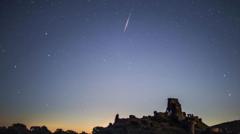
The Perseid meteor shower reaches its annual peak in the early hours of August 12-13, with favourable conditions created by a new moon that eliminates bright moonlight interference. The display results from Earth passing through debris trails left by the Swift-Tuttle comet, with observers in adequately dark locations potentially witnessing over 100 meteors per hour. Adding to the event's significance, a partial solar eclipse will be visible across the UK during the preceding evening, creating an uncommon convergence of two distinct astronomical phenomena within hours of one another.
Optimal viewing requires locations far from artificial light and approximately 20-30 minutes for eyes to adjust to darkness. Weather forecasts indicate largely clear conditions across England and Wales, though northern regions face increased cloud cover and potential showers. While the eclipse and meteor shower are unrelated celestial events, their timing provides stargazers with an exceptional observing opportunity, despite the extremely slim likelihood of spotting meteors during the eclipse itself in the UK.
- Perseid meteor shower peaks midnight-dawn August 12-13, potentially visible at 100+ meteors per hour with ideal dark-sky conditions from a new moon
- Viewing coincides with a partial solar eclipse in the UK on the evening of August 12, creating a rare astronomical combination
- Best viewing from dark locations away from light pollution; southern UK forecast shows clear skies, northern regions expect more cloud cover
New here? Start with this
The Perseid meteor shower is an annual event caused by Earth passing through debris left behind by the comet Swift-Tuttle. Each August, tiny fragments burn up in the atmosphere, creating what looks like shooting stars, and this year's peak falls in the early hours of 12-13 August, with a new moon meaning darker skies and better visibility than usual.
Adding to the interest, a partial solar eclipse will be visible across the UK on the evening beforehand. The two events are not connected in any way, but their timing so close together is unusual and gives skywatchers two separate reasons to look up within the same day or so.
Seeing meteors well depends largely on getting away from artificial light and giving your eyes time to adjust to the dark. Weather plays a big part too, since cloud cover can block the view entirely, which is why forecasts for the night are relevant to how much of the display people in different parts of the UK will actually see.