Halloween game blocked in Australia and New Zealand over cannabis
Developed over time first seen 2 months ago
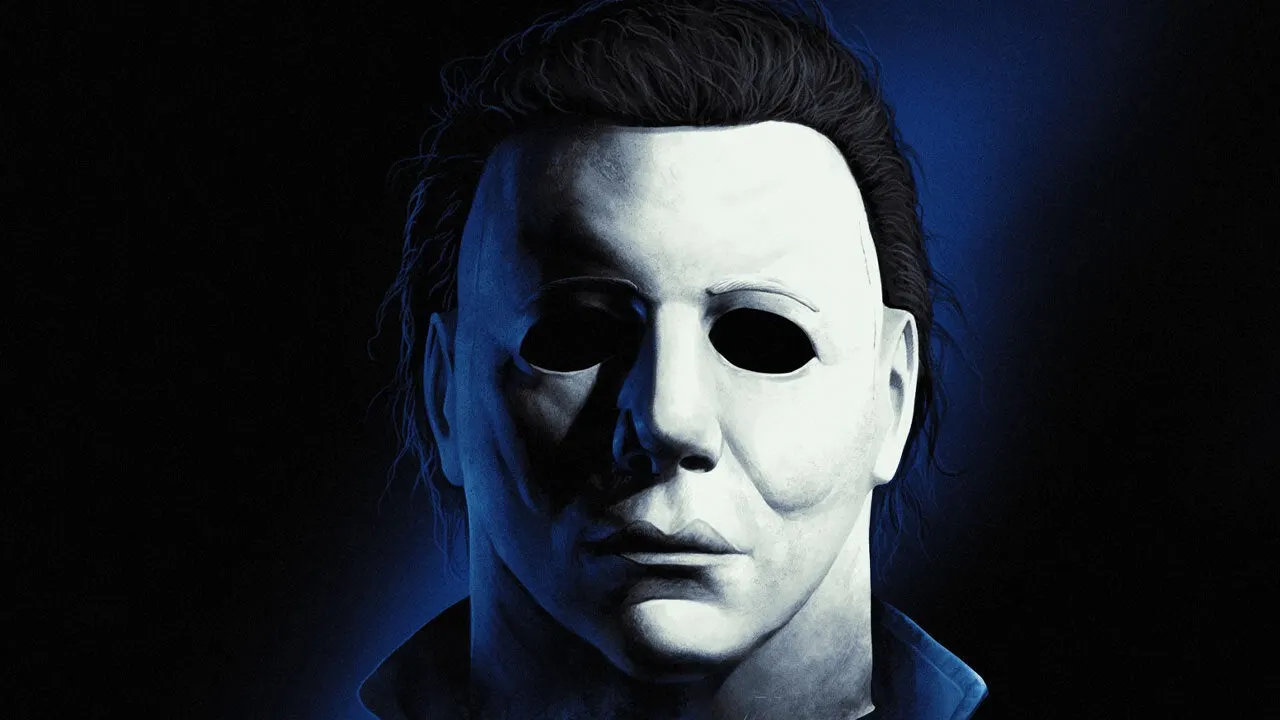
Halloween: The Game has been refused classification in Australia, with regulators objecting not to its violence or depiction of serial killer Michael Myers, but to a minor gameplay mechanic that lets characters smoke cannabis for an in-game buff. Developer IllFonic has also withheld the multiplayer horror title from New Zealand, even though that country runs its own separate classification system, meaning the commercial fallout spread to a market that had not itself rejected the game. The episode has drawn criticism from fans and commentators, who point to the apparent inconsistency of a board approving graphic slasher killings while blocking sale over depicted drug use, and it stands as the final outcome for both regions ahead of the game's launch.
The studio confirmed the Australian ruling via social media, saying that despite its best efforts the Australian Classification Board denied the game a rating specifically because of the "controlled substance" content, referring to a mechanic in which smoking a joint grants players an advantage, such as seeing Michael Myers's location on the map. No rating appeal or workaround, such as replacing cannabis with vaping, has materialised, so the ban has held. Halloween: The Game, based primarily on the original 1978 film, is set to launch on PlayStation 5, Xbox Series X|S and PC on 8 September 2026, without release in either Australia or New Zealand.
- Halloween: The Game banned in Australia and New Zealand over cannabis mechanic, not violence
- Australian board denied rating for weed use, not slasher killings
- Game still launches 8 September elsewhere on PS5, Xbox, PC
New here? Start with this
Halloween: The Game is an upcoming multiplayer horror title from developer IllFonic, based on the 1978 slasher film and its villain, Michael Myers. It is due out on PlayStation 5, Xbox Series X|S and PC on 8 September 2026.
Video games sold in Australia and New Zealand must pass through official classification systems before release; a title that is refused classification cannot legally be sold there. Australia's board is separate from New Zealand's, though the two often reach similar outcomes on the same game.
In this case, the game's violent content was not the sticking point. Instead, regulators objected to a minor feature letting players' characters smoke cannabis to gain an in-game advantage, which is enough under the rules to block a rating outright.
Both sides, in good faith
The strongest fair case each way — we don't pick a winner.
The case for
Supporters of the Board's stance argue that classification systems are entitled to treat categories of content differently rather than applying a single sliding scale, and that depictions of drug use carrying a tangible in-game reward (a gameplay 'buff') raise distinct concerns from fictional slasher violence, since they risk normalising or trivialising real-world substance use, particularly for younger or more impressionable players who may access the game despite ratings controls. They would add that regulators are simply applying long-standing, publicly known guidelines consistently, and that a developer aware of these rules months in advance bears responsibility for designing within them rather than expecting exceptions.
The case against
Critics contend the decision exposes an incoherent hierarchy of harm, in which a game can freely depict a masked killer stalking and murdering teenagers yet be refused classification over a minor, non-glorified reference to cannabis, suggesting the framework is out of step with community attitudes and inconsistently enforced. They would argue that adult players and a mature market are capable of engaging with such content responsibly, that the collateral withdrawal from New Zealand punishes consumers in a jurisdiction whose own regulator raised no objection, and that opaque, seemingly arbitrary classification outcomes chill creative decisions far more than they protect anyone from genuine harm.
Coverage
- IGN — Halloween: The Game Refused Classification in Australia, So It Won’t Be Sold in New Zealand Despite the Fact That’s a Different Country
- Destructoid — Halloween has been banned in Australia and New Zealand for a reason you’d never imagine