Texas carries out first execution since Christa Pike survived lethal injection using the same drug… as killer utters final words to victim’s family
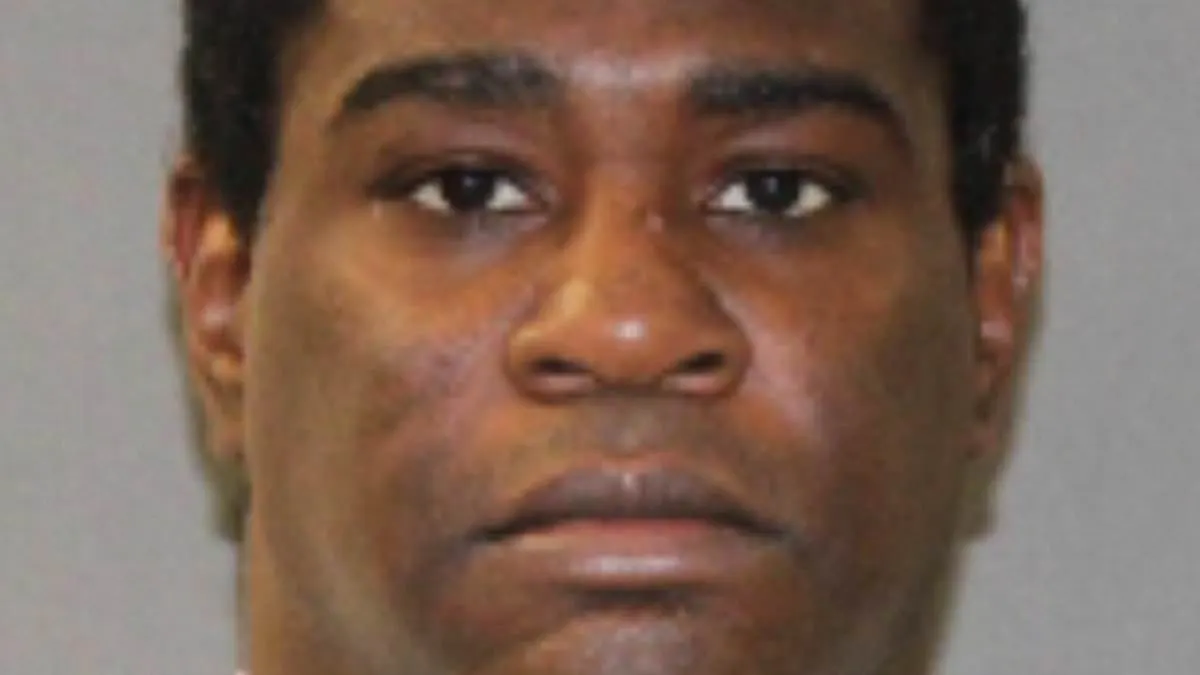
Texas executed Jamaal Howard on Wednesday after the US Supreme Court rejected his last-minute request to stop the lethal injection. The case drew attention because his lawyers argued that the pentobarbital used in Texas could pose risks similar to those involved in Christa Pike’s failed execution in Tennessee.
Howard, 46, was convicted of fatally shooting shop worker Vickie Swartout during a 2000 robbery in which he stole $114 and cigarettes. He apologised to Swartout’s family in his final statement; officials pronounced him dead 19 minutes after the injection began. His lawyers also argued that Texas’s supply of pentobarbital may have degraded, while the state said Howard had not provided evidence to support his claim of intellectual disability. Texas had executed six people this year before Howard, the 30th person executed nationwide in 2026.
- Texas executed Jamaal Howard after the Supreme Court rejected his appeal.
- His lawyers cited risks linked to Christa Pike’s failed execution.
- Howard apologised to the family of the shop worker he killed.
New here? Start with this
Lethal injection is a method of capital punishment used in the United States where drugs are injected to cause death. The practice has become controversial following several high-profile cases in which executions have gone wrong, including in Tennessee where Christa Pike survived a lethal injection attempt. These cases have raised questions about whether the drugs used are reliable and whether they degrade over time.
Jamaal Howard was a 46-year-old man convicted of murder in 2000. He was sentenced to death for shooting and killing Vickie Swartout, a shop worker, during a robbery in which he stole money and cigarettes. He spent over two decades awaiting execution.
Howard's case attracted attention because his lawyers argued that the pentobarbital used in Texas executions could pose risks similar to those in Pike's failed execution. They also questioned whether Texas's drug supply had degraded over time. The case highlighted concerns about the safety and reliability of lethal injection.
Both sides, in good faith
The strongest fair case each way — we don't pick a winner.
The case for
Howard's case received comprehensive legal review over 26 years, with the Supreme Court finding his claims regarding drug degradation and intellectual disability insufficiently substantiated. Allowing executions to be repeatedly halted by speculative procedural concerns would effectively prevent all capital punishment and deny justice to victims' families who have waited decades for finality. Courts have upheld lethal injection as constitutional, and the exhaustive appeals process must eventually conclude.
The case against
The Christa Pike case demonstrated genuine risks with lethal injection, making claims about pentobarbital degradation serious concerns warranting investigation before irreversible action. Intellectual disability, recognised as relevant to capital punishment eligibility, deserved thorough assessment rather than dismissal at the final stage. The permanent nature of execution demands extreme procedural care and caution, particularly when genuine questions remain unresolved.