Health news and discussion on TalkFuse.
Best Red-Light Therapy for Hair Growth and Restoration (2026)
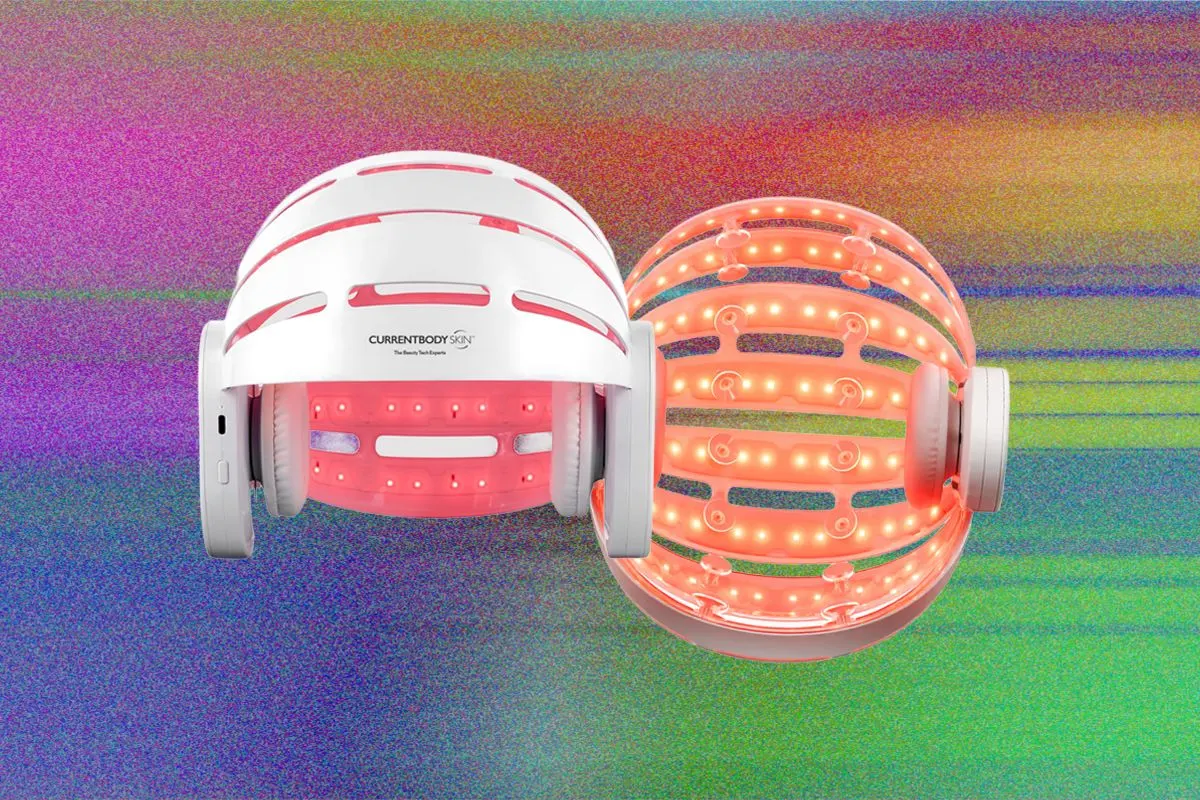
WIRED has updated its guide to the best red-light therapy devices for hair growth and restoration, reviewed by a team of testers who have personal experience with hair thinning or loss. The devices work by stimulating hair follicles, boosting scalp blood circulation, reducing inflammation and lowering levels of dihydrotestosterone, a hormone linked to hair loss, offering an at-home alternative to clinical treatments or topical remedies.
Testers trialled red-light caps, hands-free helmets and low-level laser therapy devices over 16-week cycles, consulting dermatologists and clinical research to shape their criteria. The top pick is CurrentBody's LED Hair Growth Helmet (£860/$860), a cordless, Bluetooth-enabled device that testers found produced new follicle growth and thicker-feeling hair, though not increased length, after 12 weeks. WIRED says it prioritised safety features such as FDA clearance and automatic shut-off, alongside comfort and ease of use, when compiling its recommendations.
In short
- WIRED updates its 2026 guide to red-light therapy for hair regrowth.
- Top pick: CurrentBody's £860 LED Hair Growth Helmet, tested over 12 weeks.
- Devices claim to boost circulation and lower a hair-loss-linked hormone.
Steelman: both sides, in good faith
The strongest fair case each way — we don't pick a winner.
The case for
Red-light therapy has demonstrated efficacy in multiple clinical studies showing it stimulates hair follicles, increases scalp blood flow, and reduces inflammation, with mechanisms supported by dermatological research. Products achieving FDA clearance represent a non-invasive, drug-free option that complements or provides an alternative to systemic treatments, and independent testing with professional consultation provides reasonable assurance of quality and safety for consumers seeking at-home solutions.
The case against
Whilst some evidence supports red-light therapy's effects, the scientific literature shows inconsistent results and often modest improvements, raising questions about whether devices costing hundreds of pounds justify their expense against established treatments like minoxidil or finasteride with stronger evidence bases. Product reviews risk amplifying marketing claims beyond what evidence supports, particularly when testers report subjective improvements like thicker-feeling hair rather than rigorously measured clinical outcomes.
Explained simply
Hair thinning and hair loss can have several causes, and treatments vary in how they work. Red-light devices use light aimed at the scalp to try to stimulate hair follicles; they are one at-home option alongside topical treatments and care from clinicians.
These devices include caps, helmets and low-level laser products, and they differ in cost, design and how they are used. Evidence and results can vary, so dermatologists and clinical research are relevant when assessing claims about them.
WIRED’s guide compares devices using factors such as safety, comfort and ease of use, as well as testers’ experiences. This matters to readers weighing an at-home device against other ways of addressing hair loss.