Seedless Blackberries and Cherries That Grow on Bushes Vie to Be the Future of Food
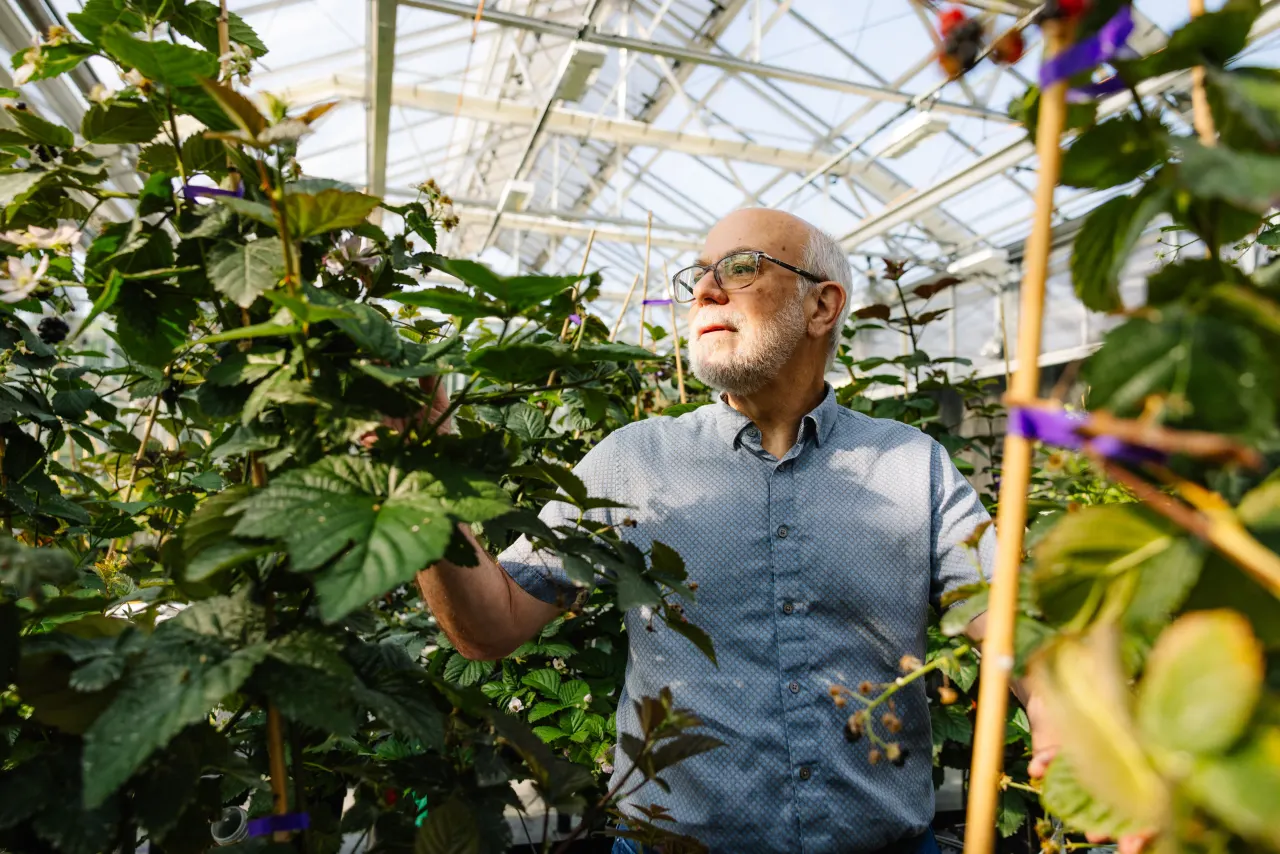
North Carolina startup Pairwise is using Crispr gene-editing technology to develop seedless, thornless, higher-yielding blackberries and other improved fruits, aiming to compress decades of traditional plant breeding into just a few years. The company hopes this marks the start of a new era of "designer crops" engineered to benefit consumers, farmers and the environment alike, at a time when the world urgently needs to grow far more food on far less land to avoid worsening deforestation and environmental damage.
Pairwise's flagship blackberry, which will not reach US shops before 2030, is one of several products in development, alongside pitless peaches, disease-resistant row crops, and fruit and nut trees that bear fruit within a year or two rather than three to eight. So far the company has secured more than 50 regulatory approvals across five edited crops in nine countries, though only one product—a high-yielding blackberry—is currently for sale, in limited quantities in Colombia; an earlier less-bitter mustard green launched in the US in 2023 was discontinued in 2024. Unlike genetically modified organisms, Crispr-edited crops have so far avoided major regulatory and public backlash, but experts warn that growing distrust of "edible technology," exemplified by movements such as Make America Healthy Again, could yet derail the technology's promise.
- Pairwise uses Crispr to engineer seedless, thornless, high-yield blackberries.
- Only one product is currently for sale, in Colombia.
- Experts fear GMO-style public backlash could hinder Crispr food adoption.