Technology news and discussion on TalkFuse.
NASA updates Voyager 2 to extend the 1977 probe’s lifespan yet again
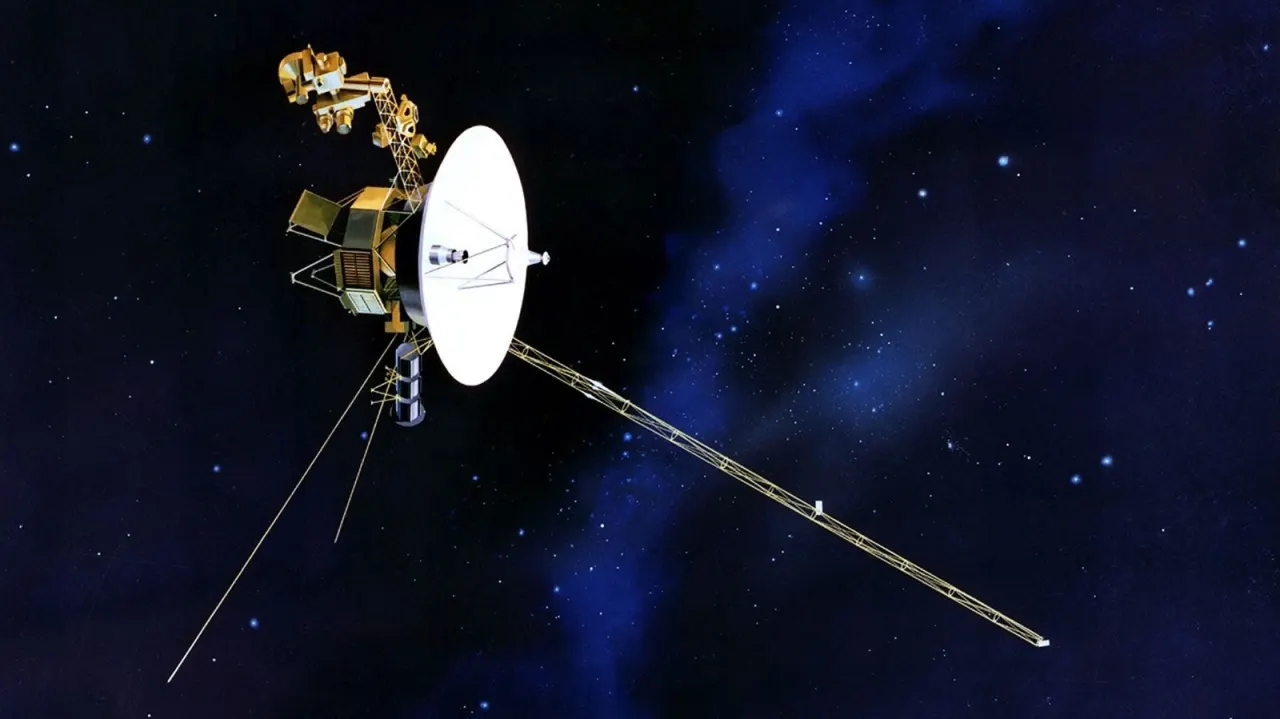
NASA has successfully applied a software update to Voyager 2, the interstellar probe launched in 1977, extending its operational life by at least another year. The fix, dubbed "Big Bang" and transmitted across roughly 13 billion miles of space, was needed because the spacecraft's plutonium-powered generator continues to lose energy each year, and without intervention NASA would have had to switch off one of its three remaining scientific instruments later this year.
The operation involved simultaneously deactivating certain power-hungry devices and replacing them with lower-power alternatives, while ensuring the probe stayed warm enough to keep functioning. Voyager 2 originally carried ten working instruments but is now down to three, having lost the rest over the decades to conserve dwindling power, at a rate of about 4 watts a year. Launched shortly before its twin, Voyager 1, the probe toured the solar system's gas giants through the 1980s before entering interstellar space in 2018, where it continues to gather data on the plasma beyond the Sun's heliosphere.
In short
- NASA extends Voyager 2's operations by another year via remote update
- "Big Bang" fix rebalanced power use across the probe's ageing systems
- Probe still returning interstellar plasma data nearly 50 years after launch
Explained simply
Voyager 2 is a NASA spacecraft launched in 1977 to study the outer planets. It flew past Jupiter, Saturn, Uranus and Neptune, and in 2018 crossed into interstellar space, the region beyond the bubble of particles and magnetic fields created by the Sun.
The probe runs on heat from decaying plutonium, which is converted into electricity. Its supply of power has gradually fallen, so NASA has switched off instruments and other equipment over the years; three scientific instruments remain, measuring conditions beyond the Sun’s influence.
Voyager 2 and its twin, Voyager 1, are among the most distant human-made spacecraft. Their measurements help scientists study the space between stars, and the probes also carry records intended to convey information about Earth and life here.