Former M&S boss brands Andy Burnham’s plan to ‘save high streets’ as a ‘lot of b******s about nothing’
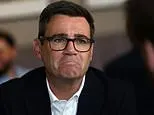
The former head of Marks & Spencer has dismissed Andy Burnham's proposals to revive Britain's ailing high streets as empty rhetoric, using blunt language to reject the plan as offering little of substance. The intervention adds a high-profile voice of retail expertise to the debate over how struggling town centres, hit hard by online shopping, rising costs and changing consumer habits, might be turned around, and highlights scepticism from business figures towards political solutions to the problem.
The criticism comes from a figure with direct experience running one of the UK's best-known retailers, lending weight to the claim that Burnham's approach fails to tackle the structural issues facing shops and town centres. Burnham, the Mayor of Greater Manchester, has been vocal on the issue as part of his wider platform, but the former M&S boss argues the proposals amount to little more than a soundbite, joining a broader chorus of business criticism over the practicality of high street rescue plans.
- Ex-M&S boss dismisses Andy Burnham's high street rescue plan as vague and substanceless.
- Comments highlight business scepticism over political fixes for struggling town centres.
- Burnham has championed high street revival as part of his public platform.
Both sides, in good faith
The strongest fair case each way — we don't pick a winner.
The case for
Advocates of Burnham's approach argue that high streets are suffering from a genuine market failure – crushing business rates, competition from online retail, and a lack of coordinated investment – that individual traders cannot fix alone, so a proactive plan with political backing, funding commitments and planning reform is exactly the kind of intervention needed to give town centres a fighting chance. They would say that dismissing such efforts as 'hot air' is easy for a former retail boss who ran large national chains, but town centres need public leadership to coordinate landlords, councils and transport links in ways the market alone has failed to deliver.
The case against
Critics such as Lord Rose argue from decades of hands-on retail experience that high street decline stems from deep structural forces – changing shopping habits, online competition and high fixed costs – which political announcements and strategy documents cannot meaningfully reverse without concrete, well-funded action such as business rates reform or genuine investment. They would say that vague pledges to 'save the high street' amount to warm words without substance, and that businesses need practical, immediate measures rather than another round of political rhetoric that raises expectations it cannot fulfil.