Historic preservation rule changes threaten more than just monuments
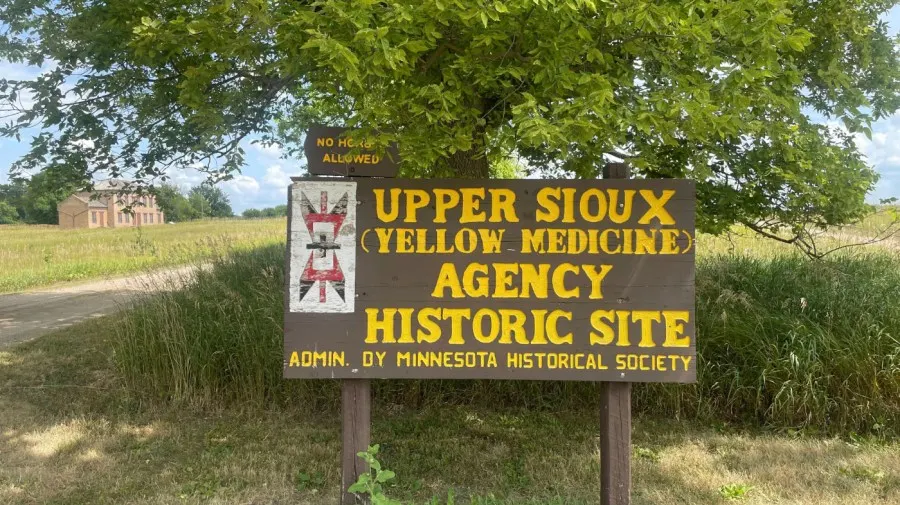
The Trump administration's Advisory Council on Historic Preservation has voted to overhaul the regulations underpinning Section 106 of the National Historic Preservation Act, a process that reviews roughly 120,000 federal actions a year to protect historic sites. The article's author, a former Senate-confirmed chair of the council, warns the changes would weaken protections nationwide and let the administration approve mining, fossil-fuel and other extractive projects on or near historic land with far less scrutiny.
Under the new rules, only sites deemed "geographically compact" would be protected, stripping safeguards from many archaeological sites, cultural landscapes, and places of historic or religious significance to Native American, Native Hawaiian and Alaska Native communities — potentially allowing projects such as a pipeline across Gettysburg Battlefield. The overhaul would also exempt many undertakings from review entirely, including state and local government projects, meaning federally funded highway and road expansions could proceed without the current level of oversight.
In short
- Federal agency overhauls rules protecting historic sites nationwide
- Only "geographically compact" sites would keep protection
- State, local and infrastructure projects could bypass review entirely
Steelman: both sides, in good faith
The strongest fair case each way — we don't pick a winner.
The case for
Proponents of the changes argue that the current regulatory process is unwieldy, requiring federal review of 120,000 actions annually and creating delays and costs that slow necessary infrastructure and economic development. They contend that streamlining protections to focus on geographically compact sites represents reasonable calibration that maintains meaningful safeguards whilst removing bureaucratic obstacles, and that state and local governments can responsibly steward historic preservation decisions alongside federal ones, allowing projects like roads and highways to proceed more efficiently.
The case against
Critics argue these reforms fundamentally weaken protections for irreplaceable cultural and archaeological heritage, particularly affecting Native American, Hawaiian and Alaska Native communities whose historic sites and sacred places often span broader landscapes incompatible with narrow geographic definitions. The exemption of state and local projects from federal review removes crucial accountability mechanisms and allows extractive industries to develop near or on historically significant lands with minimal oversight, prioritising short-term development speed over genuine long-term stewardship of shared cultural inheritance.
Explained simply
Section 106 is part of the National Historic Preservation Act, a US law that requires federal agencies to consider how their actions could affect historic places. The process applies to a wide range of decisions and projects, and involves the Advisory Council on Historic Preservation.
Historic places can include archaeological sites, cultural landscapes and places important to Native American, Native Hawaiian and Alaska Native communities, as well as well-known monuments. Federal involvement can include funding or approval for projects such as roads, pipelines and mines, so the rules help determine which places receive scrutiny when plans are considered.
The issue matters because changes to the review process could affect historic places across the country, including sites that are not individual monuments. It also concerns how federal agencies weigh preservation alongside infrastructure and resource development.