World news and discussion on TalkFuse.
Critical Role Book Confirms a New Future for Campaign 2
Developed over time first seen 3 months ago
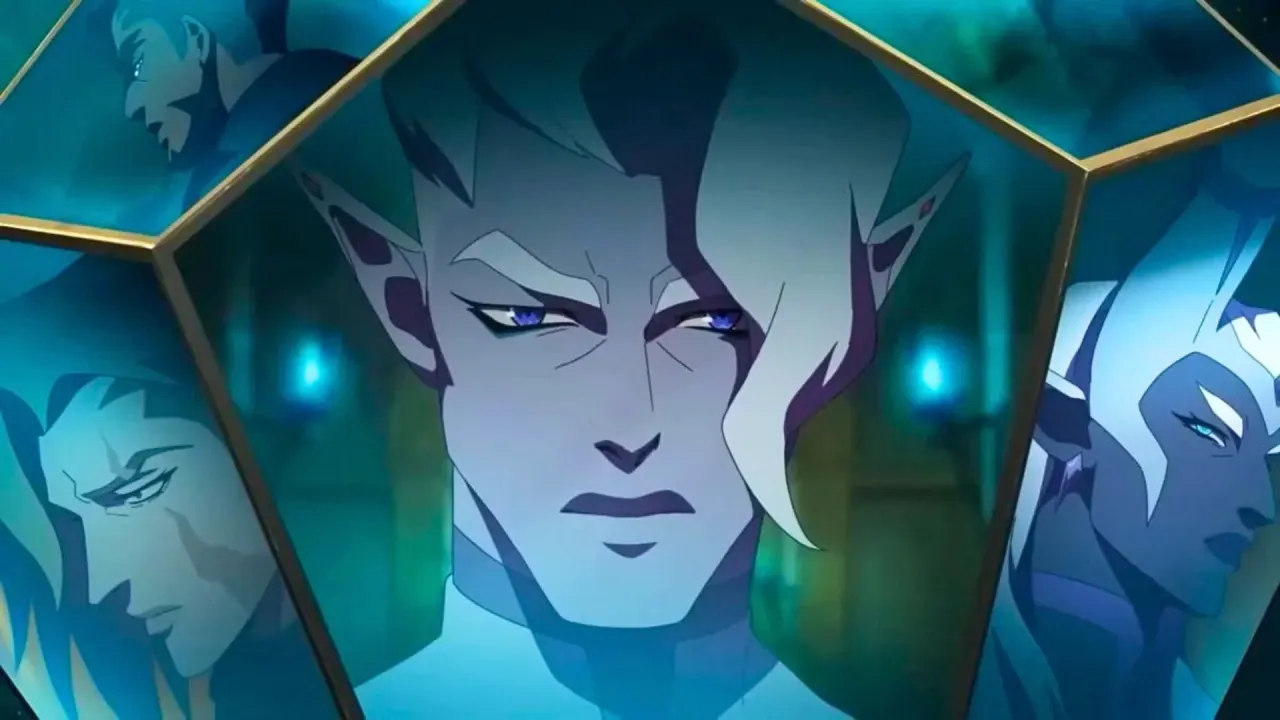
A new Critical Role anthology novel, "The Mighty Nein – Stories Untold," has quietly signalled how the franchise will treat its expanding multimedia universe going forward, confirming that future stories will follow the canon established by the animated TV adaptations rather than the original tabletop actual-play campaigns. The revelation matters because it settles long-running fan speculation about whether Critical Role would adopt a "canon versus legends" split akin to Star Wars, or instead fold all adaptations into a single evolving continuity, with the answer favouring the more accessible TV version as the reference point for future material.
The clearest evidence comes from a chapter by Dani Carr, "The Fall Will Kill You," which follows drow wizard Essek Thelyss and references his mother's illness, typhros, a plotline invented for The Mighty Nein TV series rather than the original campaign, where Essek's motivations were rooted purely in ambition. Critical Role has form for this kind of divergence, having previously altered storylines in The Legend of Vox Machina and The Mighty Nein to accommodate actor Ashley Johnson's limited availability. While some fans may prefer the more antagonistic actual-play version of Essek, the shift towards TV canon reflects practical reality, since a roughly 12-episode series is far easier for new audiences to access than 100-plus hours of original streamed campaign footage.
- Sources
- 2
- Outlets
- 1
- Left · Centre · Right
- 0 · 0 · 0
In short
- New anthology novel confirms Critical Role favours TV canon over tabletop campaigns
- Essek Thelyss chapter references a TV-only plotline, not the original game
- Change reflects TV's greater accessibility versus 100+ hours of actual-play content
How this story developed
- 3 months ago A new Critical Role anthology novel, "The Mighty Nein – Stories Untold," has quietly signalled how the franchise will treat its expanding multimedia universe going forward, confirming that future stories will follow the canon established by the animated TV adaptations rather than the original tabletop actual-play campaigns.
Steelman: both sides, in good faith
The strongest fair case each way — we don't pick a winner.
The case for
Adopting TV canon reflects practical reality for a growing multimedia franchise. New audiences cannot reasonably access 100-plus hours of original campaign footage, whereas a 12-episode series provides genuine accessibility. The TV adaptations also enable narrative refinement and accommodate real-world production constraints, such as actor scheduling, which sustains the franchise's ambitious output. A single, accessible canon provides consistency and clarity for creators and audiences alike.
The case against
The original campaigns represent the authentic collaborative creation that made Critical Role beloved—an organic evolution driven by the players themselves. By elevating TV canon, the franchise retroactively devalues the original work and the profound investment of long-time fans who followed the unfolding story. Moreover, changes made for television convenience, such as Essek's mother's illness replacing his original motivations, represent revisionism that alters fundamental character arcs and themes fans experienced, prioritising accessibility for newcomers over fidelity to the creative work that built the community.
Explained simply
Critical Role began as a group playing Dungeons & Dragons, with their games streamed as long-running campaigns. Those stories have since been adapted into animated series, which retell the campaigns for television and can change details along the way.
The Mighty Nein is the group at the centre of Critical Role’s second campaign. Essek Thelyss is a drow wizard whose role differs between versions: the original campaign presents him as ambitious, while the television adaptation gives him a family story involving his ill mother. How future books and other projects relate to these versions matters to readers trying to follow the same characters across different formats.