Culture news and discussion on TalkFuse.
Spotify Announces Badge For “AI Personas,” Will Exclude Their Music From Recommendations
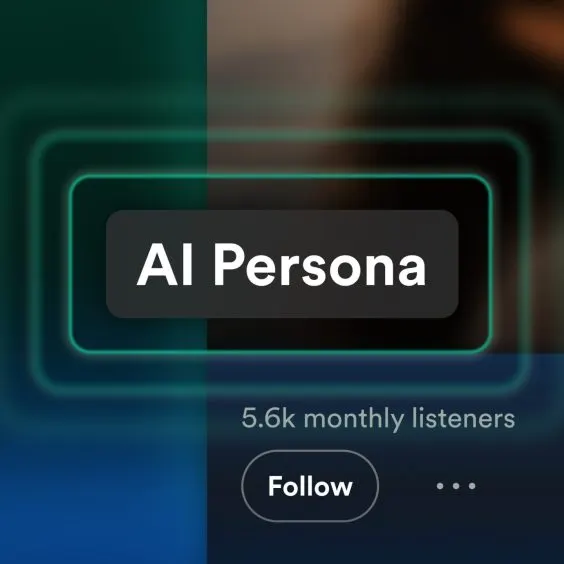
Spotify has announced it will apply an "AI Persona" badge to artist profiles that are fully AI-generated, and will by default exclude these artists' music from its editorial and algorithmic recommendations. The move responds to growing concern within the music industry about the flood of AI-generated tracks on streaming platforms and fears that Spotify might promote its own AI content to listeners, following scrutiny of its use of "ghost artists" on curated playlists.
The badges will appear from mid-September, covering both artists who self-disclose as AI-generated and profiles Spotify identifies independently, starting with acts that meet certain audience thresholds. Deezer estimated in April that 44% of new song uploads were AI-generated, around 75,000 tracks a day, underlining the scale of the issue. Critics note the policy leaves gaps, such as AI-assisted tracks released by human artists and the blurry definition of "AI" itself, given several established musicians have recently admitted using AI tools.
In short
- Spotify to badge fully AI-generated "AI Persona" artist profiles from mid-September
- These profiles will be excluded from recommendations by default
- Move follows concerns over AI music flooding platforms and "ghost artists"
Steelman: both sides, in good faith
The strongest fair case each way — we don't pick a winner.
The case for
Spotify's policy addresses genuine market concerns by ensuring human artists compete fairly and providing transparency to listeners. AI-generated tracks cost minimal amounts to produce, creating perverse incentives for platforms to flood recommendations with cheap content rather than supporting working musicians. The badges and exclusions prevent algorithmic substitution without banning AI—they simply clarify the distinction and protect the commercial viability of human music careers.
The case against
The policy reflects unfounded anxiety about AI rather than solving real problems. AI is now a legitimate creative tool used by established musicians, and blanket exclusion penalises innovation without achieving stated goals—AI-assisted human work escapes detection, leaving deception and low-quality uploads unaddressed. The policy amounts to protectionism for incumbent artists disguised as consumer protection, when platforms should instead focus on quality, originality, and honest attribution, regardless of creative tools used.
Explained simply
AI-generated music is made partly or entirely with artificial intelligence tools. These tools can produce songs and voices, and the technology ranges from software that helps human musicians to systems that create tracks with little or no human involvement. That makes it difficult to draw a clear line between AI-made and human-made music.
Streaming services host enormous numbers of tracks and use playlists and recommendation systems to help listeners find music. Spotify has also faced scrutiny over “ghost artists”: profiles whose music appeared on curated playlists, prompting questions about who made the tracks and how they were promoted.
The debate matters to musicians, listeners and streaming services. A large volume of AI-generated uploads could affect how music is discovered and how attention is shared, while labels for fully AI-generated artists may not cover songs made with AI assistance or cases where the technology’s role is unclear.
Art Culture Entertainment Music