World news and discussion on TalkFuse.
10 Years Later, ‘Westworld’s Best Quote Cemented Its Status as HBO’s Ultimate Sci-Fi Masterpiece
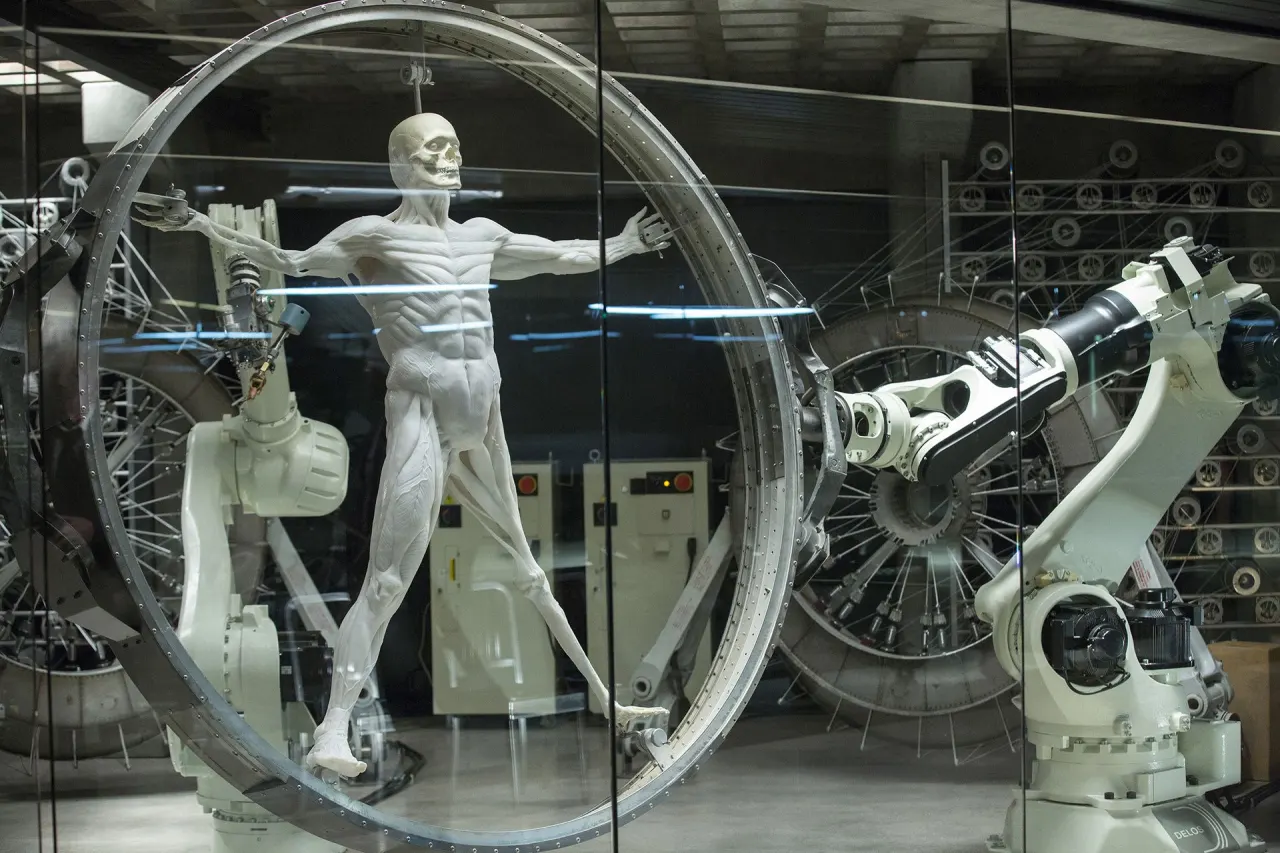
This retrospective marks ten years since Westworld's first season debuted, celebrating a single line delivered by Anthony Hopkins' character Dr Robert Ford as the show's defining moment. Though the HBO series later lost its way amid increasingly convoluted plotting, the article argues that its early exploration of consciousness, free will and technology remains strikingly relevant in today's AI era, and that this particular scene best captures its philosophical core.
The moment occurs in the season one finale, "The Bicameral Man", when Ford shows Dolores (Evan Rachel Wood) Michelangelo's "The Creation of Adam" and points out that the shape surrounding God resembles a human brain, suggesting the "divine gift" of consciousness originates in the mind rather than from a higher power. The article argues this challenges the show's central assumption that humans and the android "Hosts" are fundamentally distinct, a theme later explored through characters like Dolores and Maeve (Thandiwe Newton) as they develop consciousness without any programmed "spark" separating them from humans.
In short
- Article marks 10 years since Westworld's acclaimed first season aired
- Ford's Creation of Adam speech named the show's most powerful quote
- Line questions what truly separates human consciousness from AI Hosts
Steelman: both sides, in good faith
The strongest fair case each way — we don't pick a winner.
The case for
The show's early seasons presented a genuinely sophisticated meditation on consciousness that feels increasingly relevant in our AI age. The specific scene—using Michelangelo's painting to reframe consciousness as emerging from mind rather than external forces—distils what made Westworld meaningful: the philosophical challenge to assumptions that humans and artificial beings are fundamentally different. Even though later seasons struggled, its early exploration of what constitutes real consciousness represents a significant artistic contribution worth recognising, particularly as society faces genuine questions about AI sentience and rights.
The case against
The show's later descent into confused plotting raises legitimate questions about whether its philosophical ambitions were ever as substantive as claimed. The ideas Westworld engages with—whether consciousness requires more than programming, what creates meaning—are centuries-old philosophical questions, not particularly novel contributions from the show itself. Moreover, celebrating by highlighting a single scene risks overlooking the work as a whole; using one quote to declare it 'HBO's ultimate sci-fi masterpiece' cherry-picks its best moment rather than assessing whether the show truly deserves that accolade across its complete run.
Explained simply
Westworld is a science-fiction drama set in a theme park where lifelike androids, called Hosts, act out stories for human visitors. Dr Robert Ford, played by Anthony Hopkins, helped create the park; Dolores and Maeve are Hosts who begin to question their scripted lives and develop a sense of self.
The series explores whether consciousness and free will come from something unique to humans or can emerge through the mind and experience. Its questions about how people create and treat intelligent machines have gained fresh relevance as artificial intelligence becomes more visible in everyday life.