Entertainment news and discussion on TalkFuse.
The 1973 show Bob Dylan refused and that The Band played for just one thing: “We were in a mood”
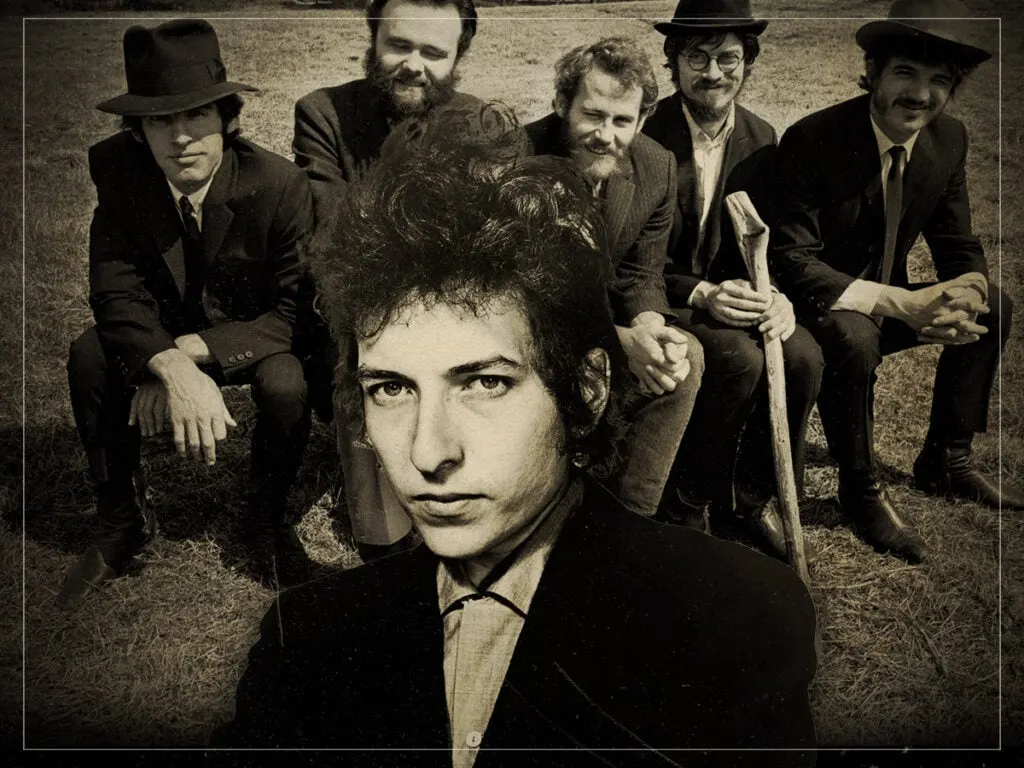
Bob Dylan sustained his withdrawal from public life throughout the early 1970s, declining offers to perform at major festivals—including the 1973 Summer Jam at Watkins Glen, which attracted an estimated 600,000 attendees. Organisers had made Dylan their top priority but received the same refusal they'd faced from him regarding Woodstock in 1969. The Canadian-American backing group The Band, known for their prior work with Dylan in early 1972 performances, were similarly expected to decline the festival's booking.
The Band surprised organisers by accepting the Summer Jam engagement in exchange for a $75,000 fee (roughly $565,000 in current dollars). Bandleader Robbie Robertson attributed their decision squarely to financial motivation, revealing that compensation was the sole reason for their participation. This decision underscored a material contrast between Dylan's continued reluctance to perform publicly and The Band's pragmatic, commercially-driven approach to performance opportunities during this period.
In short
- Bob Dylan declined multiple 1970s festival invitations, including Summer Jam in 1973, maintaining his retreat from public performance
- The Band agreed to perform at Summer Jam for $75,000, explicitly motivated by financial compensation rather than artistic inclination
Steelman: both sides, in good faith
The strongest fair case each way — we don't pick a winner.
The case for
The Band made a sound professional decision entirely consistent with how working musicians sustain their careers. Accepting substantial compensation for a high-profile performance was both commercially sensible and perfectly legitimate; there is no requirement that artists perform only when they feel spiritually or artistically compelled. Musicians deserve fair payment for their labour and talent, and accepting paying opportunities is a normal, appropriate part of professional musical practice. The quality and validity of their performance need not depend on their motivation for accepting the engagement.
The case against
Dylan's sustained refusal to perform publicly, despite repeated lucrative offers, reflected a principled commitment to artistic autonomy that transcended commercial calculation. The Band's candid admission that compensation was their sole motivation invites legitimate questions about artistic authenticity. When musicians perform primarily for payment rather than genuine creative desire or connection with their work, it suggests a transactional relationship with their art that differs meaningfully from practice pursued for its own sake. This distinction between art created for artistic reasons and art created for income reflects substantive differences in artistic philosophy and integrity.
Explained simply
Bob Dylan was a leading singer-songwriter who had largely stepped back from public performance in the early 1970s. The Band, a group of Canadian and American musicians, had played with him and built a reputation of their own.
Summer Jam was a large outdoor rock festival held at Watkins Glen, New York, in 1973. Its organisers sought major acts to draw a crowd, reflecting the growing scale and commercial importance of live music events.
Dylan and The Band made different choices about performing at the festival. Their decisions offer a glimpse of how artists weighed privacy, work and money at a time when large concerts were becoming a major part of popular music.