Video games news, releases, esports and culture — all the biggest gaming stories in one place.
Nvidia’s Price Increases Are Live, As RTX 5060 Ti Jumps to Over $800
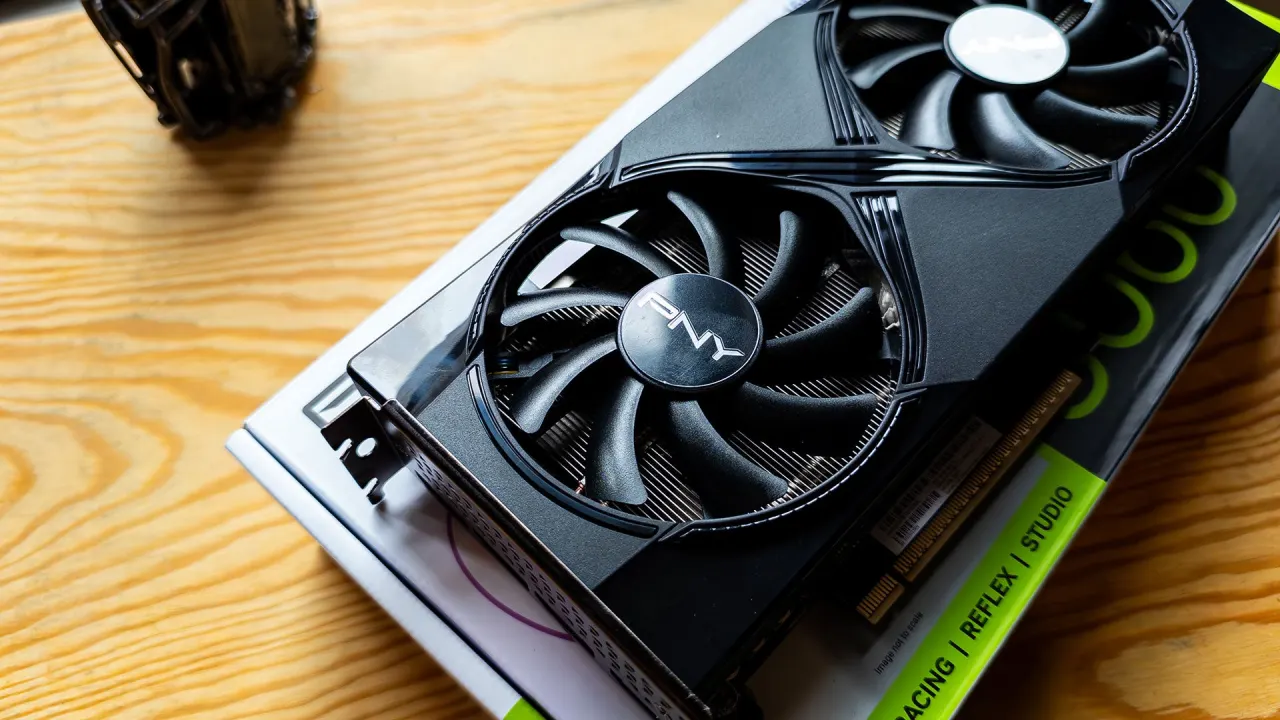
Nvidia's previously flagged graphics card price increases have now taken effect, with mid-range GPUs seeing the steepest rises. The RTX 5060 Ti, once considered a budget-friendly mid-range option, now retails for more than the RTX 5070 Ti's original recommended price, while median prices across nearly all Nvidia cards have climbed sharply in just a couple of months, according to retailer data compiled by Tom's Hardware.
The RTX 5070's median price has risen 36% since June, from $659 to $899, while the 16GB RTX 5060 Ti is up 39%, from $569 to $804.99 — leaving both cards 57% and 61% above their original launch prices, respectively. Retailer listings on Newegg reflect similarly steep pricing. Unlike past GPU price spikes driven largely by cryptocurrency demand, this increase stems from a broader component crisis affecting memory chips industry-wide, fuelled by AI demand, which has also pushed up prices for consoles and other hardware. With memory manufacturers reportedly already sold out of 2027 production capacity, prices are not expected to ease soon.
In short
- Nvidia GPU prices have risen sharply, led by mid-range cards
- RTX 5060 Ti now costs over $800, up 39% since June
- AI-driven memory shortage is fuelling price rises industry-wide
Steelman: both sides, in good faith
The strongest fair case each way — we don't pick a winner.
The case for
When supply is genuinely constrained, as reported with memory sold out through 2027, price increases serve essential economic functions. Higher prices ration limited supply, prevent shortages from worsening, and signal manufacturers to expand capacity. This price signal mechanism is more efficient than alternatives like price controls or allocation systems, which create black markets and other distortions. Markets work precisely through these signals.
The case against
Whilst some price increase is understandable given genuine scarcity, the 39-57% rises appear excessive and place the entire burden on consumers rather than distributing it across the supply chain. Companies with Nvidia's market position have alternatives—such as supply allocation, tiered pricing, or more measured increases—that could balance scarcity concerns with consumer access and long-term market health. Unsustainable pricing risks damaging the market and customer loyalty.
Explained simply
Graphics cards, or GPUs, process the images and video shown on a computer screen. Nvidia is one of the main makers of these chips, which are sold in cards at different performance and price levels; the RTX 5060 Ti and RTX 5070 are models in its current range.
GPU prices depend partly on the cost and availability of components, including memory chips. Demand for memory from AI companies has put pressure on supplies across the industry, affecting prices for other consumer electronics as well.
When cards cost more, it can raise the price of building or upgrading a computer, and make it harder to compare current shop prices with the recommended prices set at launch. This matters to shoppers choosing between models and to other hardware makers that rely on the same components.