World news and discussion on TalkFuse.
Hegseth travels to Panama as US deepens defense cooperation
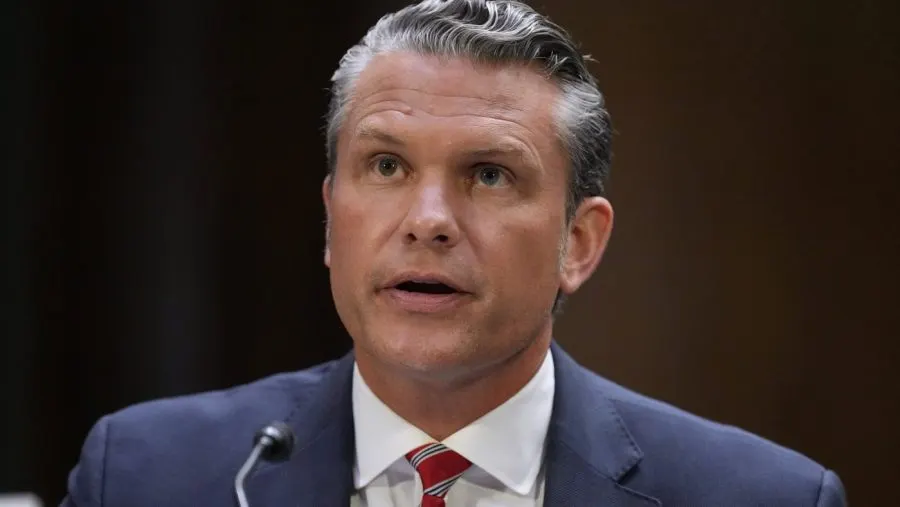
Defense Secretary Pete Hegseth is heading to Panama for a diplomatic visit focused on strengthening military and security ties with the Central American region. He will hold separate meetings with Panama's President José Raúl Mulino and senior Colombian officials, marking a continuation of high-level defence engagement in the area following his previous visit to the country.
The trip represents part of a broader US strategy to expand defence partnerships across Central and South America, with particular emphasis on regional security challenges. Hegseth's scheduled remarks at a counter-narcotics event underscores the shared focus on combating drug trafficking and related criminal activities that affect the hemisphere.
In short
- US Defense Secretary Pete Hegseth travels to Panama to meet with President Mulino and Colombian officials
- Visit aims to deepen American defense partnerships and regional security cooperation
- Hegseth will address counter-narcotics efforts at a regional forum
Steelman: both sides, in good faith
The strongest fair case each way — we don't pick a winner.
The case for
Strengthening defence partnerships across Central and South America serves legitimate regional security interests that benefit both the United States and Latin American nations. Counter-narcotics cooperation addresses a genuine shared threat—drug trafficking destabilises entire countries and fuels violence that harms communities on both continents. Such partnerships, undertaken at the invitation of sovereign nations like Panama and Colombia, build local capacity and enable joint operations based on mutual interest rather than unilateral imposition.
The case against
Deepening US military engagement in Latin America reflects a historical pattern of American interventionism that prioritises regional hegemony over local sovereignty. Critics contend that expanding defence ties can create dependency relationships and allow the United States to dictate security priorities rather than respecting nations' right to determine their own frameworks. They argue that combating drug trafficking requires addressing root causes—poverty, inequality, and lack of opportunity—rather than military-first approaches that perpetuate unequal power dynamics and serve defence industry interests.
Explained simply
Panama is a Central American country linking the Atlantic and Pacific oceans through the Panama Canal, a major route for world trade. Its location also makes it important to regional efforts to tackle drug trafficking, which involves moving illegal drugs across borders and often connects to wider criminal networks.
The United States works with countries in Central and South America on defence and security. These partnerships can involve meetings between officials and cooperation on issues such as counter-narcotics; Panama and neighbouring Colombia are among the countries involved in regional discussions. The relationships matter because security problems can cross borders and affect communities and trade across the region.
Americas Art Culture Government Politics Travel World