Culture news and discussion on TalkFuse.
A combination of bad coaching hires and subpar quarterback play is the culprit for SEC’s recent swoon
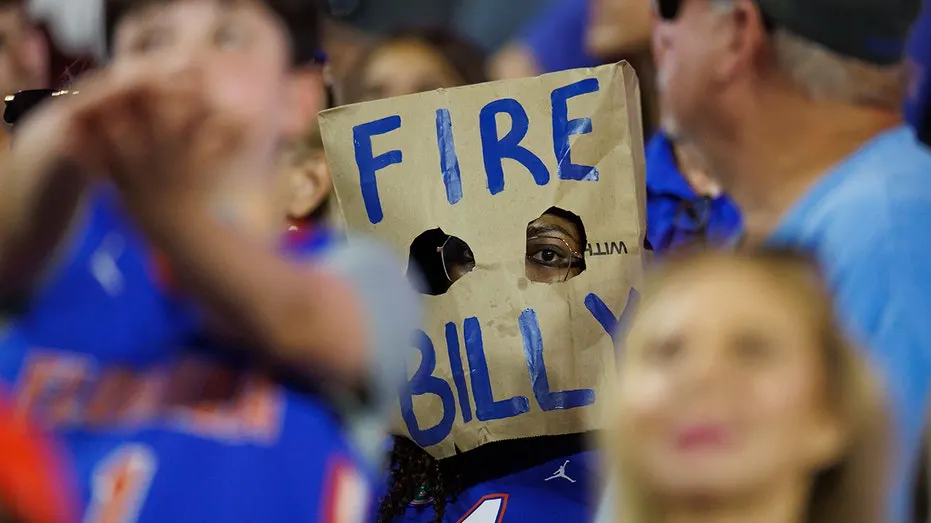
The SEC's long era of college football dominance appears to be slipping, with commentators pointing to a mix of poor coaching appointments and weak quarterback play across the conference as the main reasons behind its recent decline. The topic has become a major talking point in college football circles, as pundits debate whether the league's roughly 20-year reign at the top of the sport has genuinely come to an end, even as some remain reluctant to write off the conference entirely.
The scale of the SEC's prior success underlines how significant this shift would be: between 2006 and 2023, SEC teams won 13 of a possible 17 national championships across the BCS and College Football Playoff eras. The piece also notes that SEC commissioner Greg Sankey has confirmed the conference is exploring options outside of the NCAA, adding further context to a period of uncertainty for the league.
In short
- SEC's college football dominance is seen as fading recently
- Blamed on bad coaching hires and weak quarterback play
- SEC won 13 of 17 titles from 2006-2023
Steelman: both sides, in good faith
The strongest fair case each way — we don't pick a winner.
The case for
The SEC's era of dominance was built upon consistently superior coaching and quarterback development. When the conference that won thirteen of seventeen national championships suddenly suffers from poor coaching hires and weak quarterback play, this represents a clear departure from the standards that sustained that excellence. These are direct, controllable factors that directly determine championship outcomes, making them the most obvious explanation for the conference's significant decline.
The case against
The SEC's current challenges reflect broader structural transformations in college football rather than coaching or quarterback-specific failures. The transfer portal and NIL regulations have distributed elite talent more evenly across all conferences, other leagues have substantially improved their recruiting infrastructure and coaching investment, and natural competitive equilibrium was inevitable after two decades of sustained dominance. The league remains competitive; college football has simply achieved greater parity.
Explained simply
The Southeastern Conference (SEC) is a major league of US college football teams. For much of the past two decades, its teams were among the sport’s most successful: from 2006 to 2023, they won 13 of 17 national championships.
Coaches shape how teams train and play, while quarterbacks lead the offence and make many of its key decisions. The SEC’s recent results have prompted discussion about whether coaching appointments and quarterback performances have weakened its teams.
The debate matters because the SEC’s standing affects the wider balance of college football. Commissioner Greg Sankey has also said the conference is exploring options outside the National Collegiate Athletic Association (NCAA), the body that governs much of US college sport.
Art Culture Football Sport World