Business news and discussion on TalkFuse.
California AG Rob Bonta Open To Structural Remedies In Paramount-WBD Suit But Calls 30 Movies A Year An “Old, Stale Promise”
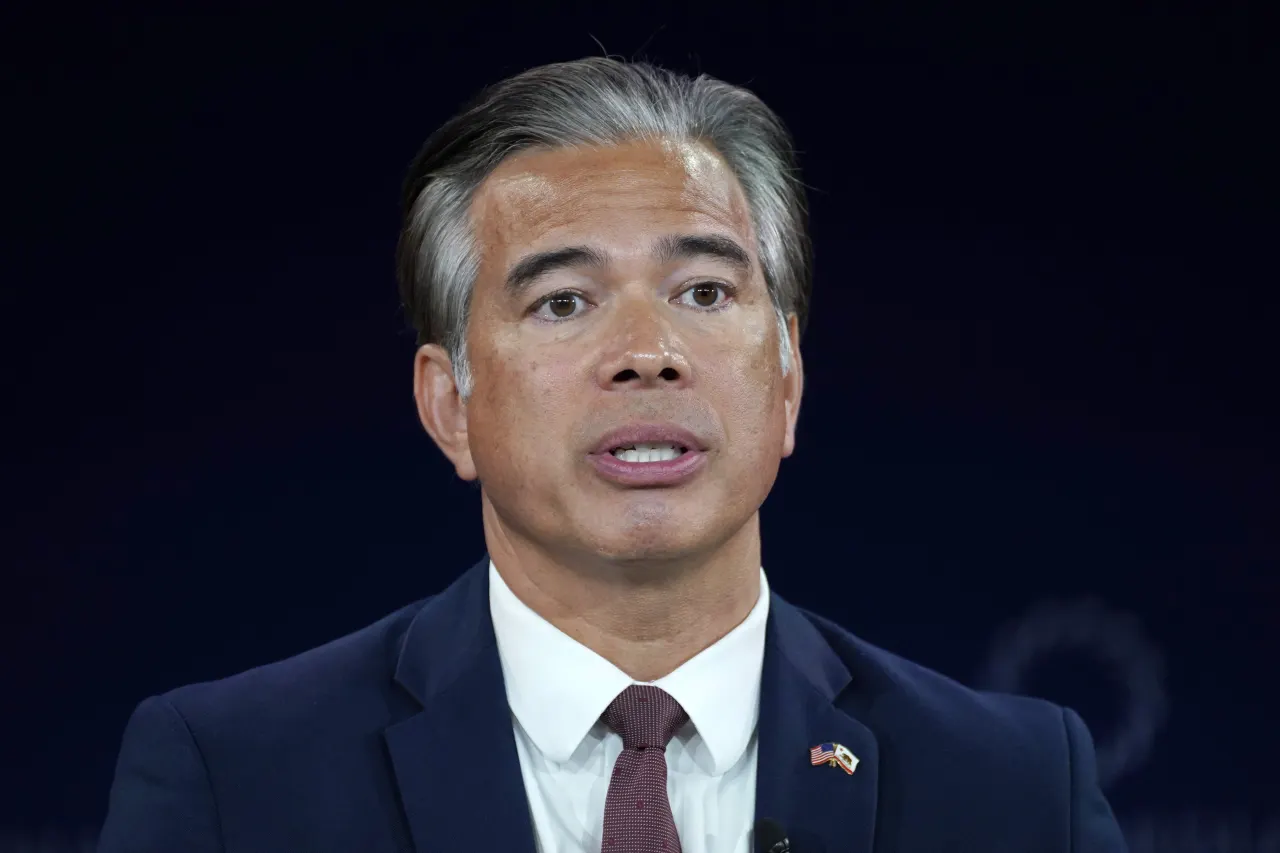
California Attorney General Rob Bonta said he would consider "structural remedies" to settle the antitrust lawsuit challenging the Paramount-Warner Bros Discovery merger, but rejected "behavioral" pledges such as David Ellison's promise to release 30 films a year, calling it an "old, stale promise" that is hard to enforce. His comments, made at a Politico conference in Sacramento, come as the dispute between his office and Paramount escalates and follow reports that Ellison plans to begin relocating Paramount out of California from 1 October unless the AG's office agrees to open settlement talks.
Bonta, who leads a coalition of state attorneys general suing to block the $111-billion deal, said structural remedies would mean keeping certain corporate entities separate in the markets the lawsuit targets: wide-release films, blockbuster films and cable programming. He said he believed Paramount-WBD were "eager" to negotiate and claimed the state had won every development in the case so far, while dismissing suggestions the suit is politically motivated to prevent CNN and CBS News combining, insisting the case has "little, if any" connection to CNN. The case is scheduled to go to trial in March.
In short
- Bonta open to "structural" but not "behavioral" merger remedies.
- Rejects Ellison's pledge of 30 films annually as unenforceable.
- Comes amid threat to move Paramount out of California by October.
Steelman: both sides, in good faith
The strongest fair case each way — we don't pick a winner.
The case for
Behavioural remedies depend on sustained regulatory monitoring and deterrence through penalties, which in practice often prove insufficient to prevent companies from gradually violating commitments. Structural separation is the only remedy that eliminates the incentive for anticompetitive conduct, as separated entities cannot coordinate or leverage combined market power. The media industry has experienced significant consolidation, and further concentration in content production and distribution raises legitimate concerns about reducing consumer choice and independent voices. Permanent structural solutions are more reliable than time-limited promises that rely on future enforcement.
The case against
The film and television industries remain robustly competitive, with multiple well-resourced studios competing intensely for audiences and investment, meaning this merger would not substantially reduce consumer choice or competitive options. Specific, measurable behavioural commitments to maintain content output can be effective when coupled with proper monitoring, and companies face reputational and legal consequences for breach. Rejecting concrete, quantified pledges like 30 films annually in favour of vague structural demands suggests unwillingness to accept any resolution and implies the AG may be motivated by concerns beyond traditional antitrust analysis. Structural separation is a disproportionate remedy that prevents business combinations that could generate efficiencies and innovation without clear evidence of substantial competitive harm.
Explained simply
Paramount and Warner Bros Discovery are two of the largest US entertainment companies. Paramount owns a major film studio and CBS; Warner Bros Discovery owns Warner Bros and cable channels including CNN. Their proposed merger would bring more film and television businesses under one company.
US competition law allows regulators and courts to challenge mergers they believe could reduce competition. California Attorney General Rob Bonta is leading a group of state attorneys general seeking to block this deal. In such cases, companies may offer changes to the deal or promises about how they will operate; keeping parts of a business separate is one possible approach.
The dispute matters because the outcome could affect how many major studios compete to make and distribute films, as well as the future structure of cable programming. It is also part of a wider debate about whether promises by a merged company can protect competition, or whether changes to its corporate structure are needed.
Business Companies Entertainment Film