Number of children killed and injured in e-scooter collisions revealed
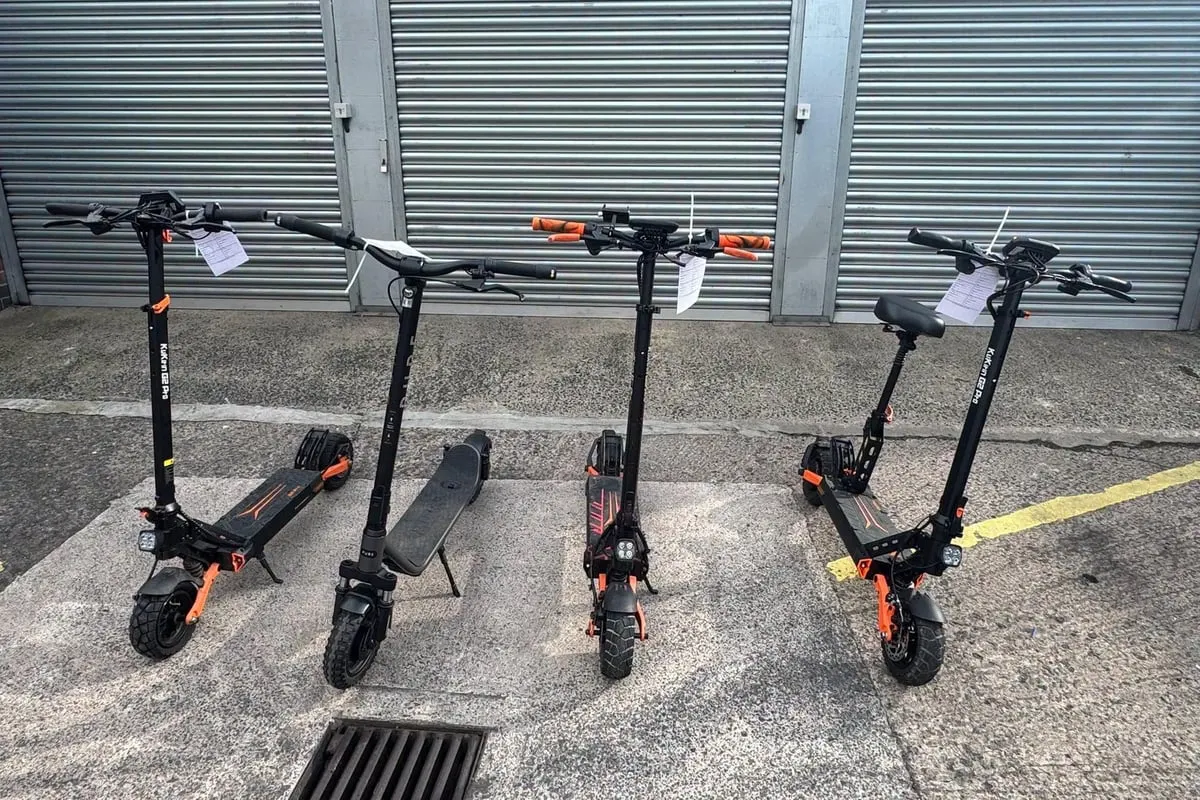
A six-year analysis of e-scooter injuries found approximately 500 children across England suffered trauma from the devices, with a disproportionate concentration among young people from economically disadvantaged areas. The study documented 59 fatal e-scooter incidents nationwide, including 10 deaths of minors, establishing the issue as a significant public health concern requiring urgent policy examination.
Head and limb injuries dominated the injury profile, with head trauma occurring in roughly one quarter of cases and sometimes requiring hospitalisation and surgery. Despite these risks, protective equipment adoption remained critically low, with fewer than 2 per cent of injured children wearing helmets. Researchers attributed many of the most severe incidents to collisions with vehicles or stationary objects, and collectively advocated for heightened government oversight, enhanced public health communications, and increased safety obligations on retailers selling the devices.
In short
- Nearly 500 children injured by e-scooters in England since 2019, with 10 deaths among minors reported nationally
- Head injuries affect roughly one quarter of cases and can be severe; helmet usage critically low at 1.8%
- Researchers call for government legislation review, strengthened public safety messaging, and retailer accountability
Steelman: both sides, in good faith
The strongest fair case each way — we don't pick a winner.
The case for
The data is stark: children are suffering serious injuries including head trauma requiring hospitalisation and surgery, and 10 children have died. The fact that fewer than 2 per cent of injured children wore helmets, combined with the disproportionate impact on disadvantaged communities, demonstrates that voluntary safety measures are failing. Retailers and manufacturers must be held accountable through enhanced safety standards and obligations, and government guidance is essential when young people's health and lives are at stake.
The case against
Whilst these injuries are regrettable, e-scooters provide essential affordable transport for young people, particularly those in disadvantaged areas who are priced out of other options. Many serious incidents involve collisions with vehicles or stationary objects, which are largely matters of user behaviour and parental oversight rather than product deficiency. Excessive regulation and retailer liability could price the devices beyond reach of the communities that benefit most, and responsibility for safety ultimately rests with users and parents rather than government mandate.
Explained simply
E-scooters are small, battery-powered vehicles ridden standing up. In England, some are used in rental schemes, while privately owned scooters are subject to different rules; where and how they can be ridden depends on those rules.
Children can be hurt when a scooter hits a vehicle or an object, and falls can cause injuries to the head or limbs. Helmets may reduce the risk of some head injuries, but the study found very few of the injured children were wearing one.
The findings matter to families, health services and policymakers weighing how to reduce injuries. They also raise questions about safety information, rules for scooter use and the responsibilities of sellers.