US judge halts federal plan to curb postal voting
Developed over time first seen 2 months ago
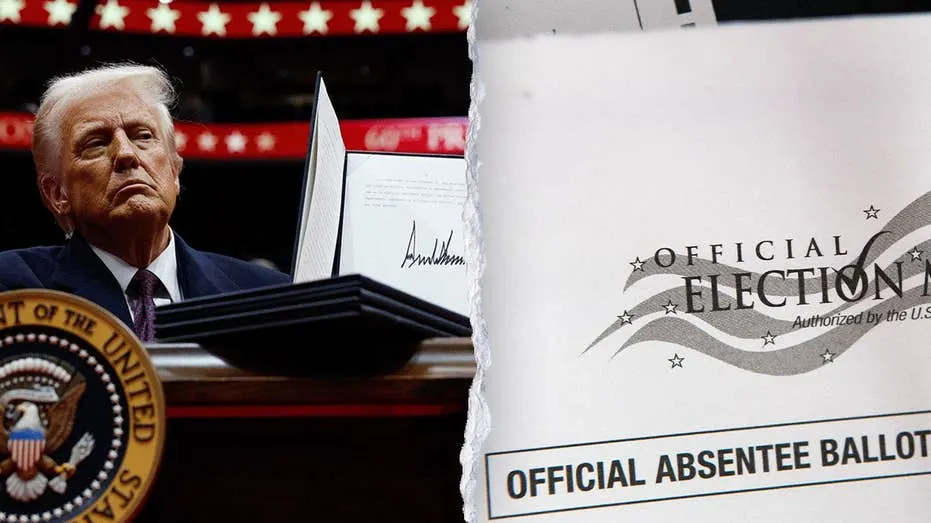
A federal judge in Massachusetts has blocked the US Postal Service from enforcing part of President Donald Trump’s plan to tighten postal voting rules before the 2026 midterm elections. The preliminary injunction prevents a disputed measure from taking effect while legal challenges continue, limiting the administration’s ability to link ballot delivery to states’ co-operation with federal demands.
The proposed rule would have allowed USPS to stop mailing absentee ballots in states that refused to provide the federal government with their absentee voter lists. Postmaster General David Steiner had indicated that this approach was under consideration during a Senate hearing. The ruling concerns this specific provision and does not settle the wider legal dispute over the administration’s postal voting policies.
- Judge blocks USPS absentee-ballot restriction.
- Rule targeted states withholding voter lists.
- Wider legal challenge remains unresolved.
New here? Start with this
The plan to change mail-in voting comes from an executive order signed by President Donald Trump, aimed at tightening the rules around postal ballots ahead of the 2026 midterm elections, when all seats in the House of Representatives and a third of the Senate are up for grabs. One strand of that order would have let the US Postal Service refuse to deliver ballots to states that would not hand over their lists of absentee voters to the federal government. Supporters of the order say tighter checks are needed to safeguard election integrity, while critics argue it risks disenfranchising voters who rely on postal ballots, a debate that has run through American politics since the 2020 election.
The case has now moved into the courts, where opponents have challenged the order's legality. US District Judge Indira Talwani, based in Massachusetts, is overseeing one such challenge, and the Postmaster General, David Steiner, who runs the Postal Service, has been questioned by lawmakers about how the policy would work in practice.
This matters because postal voting is a significant part of how millions of Americans cast their ballots, particularly those who cannot vote in person, so any change to the rules could affect turnout and access ahead of a major nationwide election.
Both sides, in good faith
The strongest fair case each way — we don't pick a winner.
The case for
Supporters of the administration's approach argue that a state's willingness to share its absentee voter list is a reasonable precondition for federal cooperation in distributing ballots, since verifying who is eligible to vote by post helps guard against duplicate, fraudulent or outdated registrations being used to cast ballots. They see this as a legitimate exercise of federal oversight over a national postal system, intended to strengthen public confidence in mail-in voting ahead of a closely watched election. From this perspective, states that refuse to share basic voter data are impeding reasonable transparency measures that most voters would consider uncontroversial safeguards.
The case against
Opponents of the policy argue that withholding ballot delivery from voters in non-compliant states amounts to punishing ordinary citizens for a dispute between state and federal officials, risking disenfranchisement of eligible voters through no fault of their own. They see the measure as federal overreach into an area the Constitution largely reserves to the states, and worry that compelling states to hand over sensitive voter data, especially so close to an election, raises privacy and security concerns without clear evidence that it would meaningfully reduce fraud. For them, the judge's injunction reflects a reasonable caution against disrupting settled voting procedures on the eve of a contested campaign.
More coverage
Read the full article at the source →
Originally published by Fox News as “Federal judge blocks Trump administration from restricting mail-in ballots ahead of midterms”.