World news and discussion on TalkFuse.
Nailed it: Toolstation gives its store IT an ASUS NUC refurb
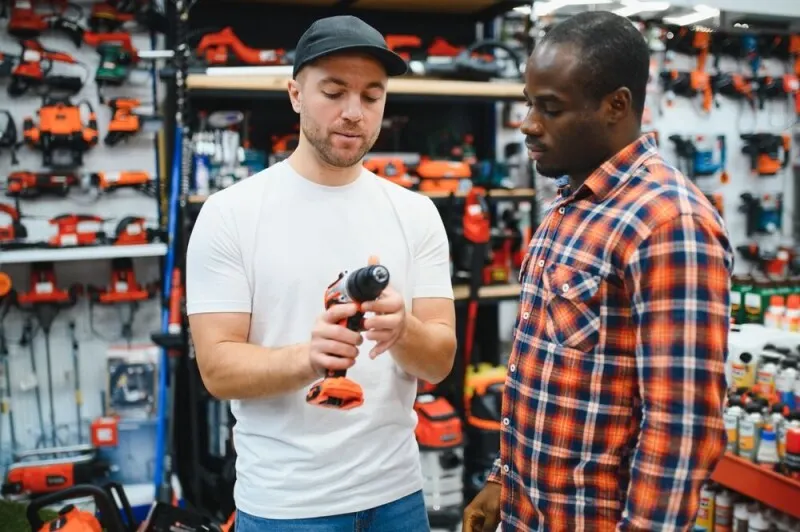
Toolstation has begun replacing ageing Linux-based point-of-sale terminals in its UK branches with compact ASUS NUC devices running ChromeOS Flex. The retailer says the older systems had become slow, difficult to patch and costly to support as the business expanded, creating operational inefficiencies and security concerns; the change is intended to improve reliability at tills and reduce disruption for staff and customers.
Founded in 2003, Toolstation now operates more than 550 UK branches and stocks over 25,000 products for trade and DIY customers. The refresh is part of a wider overhaul of technology across contact centres, warehouses, distribution hubs and stores, building on Google’s Chrome ecosystem; Toolstation expects smaller hardware to free counter space while reducing support tickets and the need for engineers to maintain devices individually.
In short
- Toolstation is replacing ageing Linux tills with ASUS NUCs on ChromeOS Flex.
- The move targets slower systems, patching problems and security risks.
- It forms part of a wider technology refresh across the retailer.
Steelman: both sides, in good faith
The strongest fair case each way — we don't pick a winner.
The case for
Toolstation faced genuine operational challenges with ageing Linux systems becoming slow, difficult to patch, and increasingly costly to support as the business expanded to over 550 locations. Modern hardware and ChromeOS Flex offer demonstrable improvements: faster performance at point-of-sale, easier security patching, significantly reduced IT support burden, and better space efficiency in stores. This is pragmatic modernisation addressing real operational problems.
The case against
Transitioning from open-source Linux—which Toolstation controlled and understood—to a Google-dependent ChromeOS Flex solution raises legitimate concerns about vendor lock-in and strategic dependence. The shift towards relying on external cloud infrastructure and services, combined with potential privacy implications of data flowing through Google's ecosystem, represents long-term risks that may outweigh immediate support cost savings. Established systems, however aging, provided operational independence worth serious consideration.
Explained simply
Toolstation is a UK retailer that sells tools, building supplies and related equipment to tradespeople and DIY customers. Its branches use point-of-sale systems, the computers and software that staff use to process purchases, check stock and handle payments.
The company has grown from its founding in 2003 to more than 550 branches, making reliable store technology important for everyday operations. Older equipment can become slower and harder to update over time, increasing the work needed to keep it secure and working properly.
ASUS NUC devices are small desktop computers, while ChromeOS Flex is an operating system designed to run on existing hardware and be managed centrally. Toolstation is also updating technology in other parts of its business, including warehouses and customer contact centres.
Americas Space Technology World