Culture news and discussion on TalkFuse.
A Candidate Named ‘Count Binface’ Is the Most Normal Part of This Pivotal UK Election
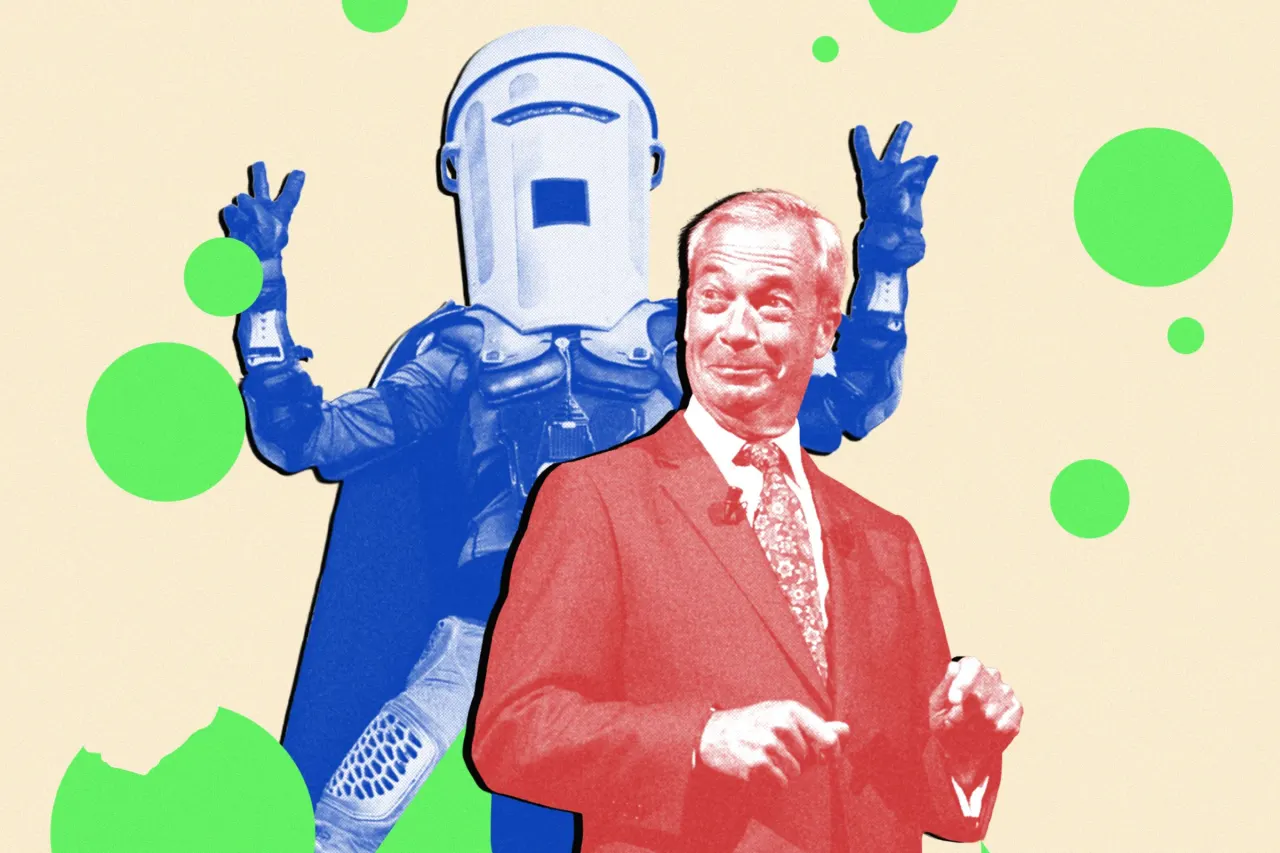
Count Binface, a satirical candidate portrayed by comedian Jon Harvey, is standing in the Clacton-on-Sea by-election against Reform UK leader Nigel Farage amid an unusually crowded and theatrical contest. The election has drawn attention because Farage resigned following allegations over undeclared financial support, which he denies, and because the main Labour and Conservative parties declined to field candidates.
A record 34 candidates are on the ballot, creating unusually long ballot papers and attracting campaigners ranging from novelty acts to single-issue and extremist groups. Binface’s comic pledges include nationalising Adele, capping ice-cream prices and holding a referendum on Pluto’s planetary status, while his campaign offers local voters a humorous contrast to the controversy surrounding Farage and the wider political spectacle.
In short
- Count Binface is challenging Nigel Farage in Clacton’s crowded by-election.
- Farage recontests his seat after resigning over finance allegations he denies.
- A record 34 candidates have turned the vote into a political spectacle.
Steelman: both sides, in good faith
The strongest fair case each way — we don't pick a winner.
The case for
The unusual electoral landscape reflects democratic openness and engagement. When mainstream parties decline to field candidates, space legitimately opens for alternative voices and broader representation of voter sentiment. Satirical candidates like Count Binface serve an important democratic function in challenging power through humour and engaging voters otherwise alienated from conventional politics. The 34-candidate field demonstrates genuine choice and allows the electorate full expression of diverse interests, particularly important when serious allegations against Farage warrant scrutiny from multiple perspectives.
The case against
An electoral field of 34 candidates, including extremist groups and novelty acts, corrupts the serious purpose of democratic choice. Satirical candidates, however entertaining, trivialise substantial questions requiring genuine scrutiny, particularly the financial allegations against Farage. The crowded ballot creates voter confusion and dilutes meaningful policy distinction, whilst the major parties' non-participation reflects abdication of electoral legitimacy. When frivolous candidates dominate public discussion, they distract from substantive governance questions and risk eroding confidence in democratic institutions.
Explained simply
A by-election is held when a seat in the House of Commons becomes vacant between general elections. Clacton-on-Sea is a constituency in Essex, and its voters choose one MP to represent them in Parliament.
Nigel Farage leads Reform UK, a party that campaigns for changes including tighter immigration controls. Count Binface is a satirical character played by comedian Jon Harvey; his deliberately outlandish pledges are intended as political humour. The ballot also includes many other candidates, from established parties to independent and single-issue campaigners.
The contest matters because it will decide who represents Clacton in Parliament and has drawn attention to the range of candidates standing. It also takes place amid scrutiny of Farage and an unusual decision by Labour and the Conservatives not to field candidates.
Art Culture Elections Government Politics UK World