Culture news and discussion on TalkFuse.
‘Wandering Trees’ Review: Iconoclastic Director Salvatore Mereu Tries a Newly Minted Fairyale, but Only Fitfully Finds Magic
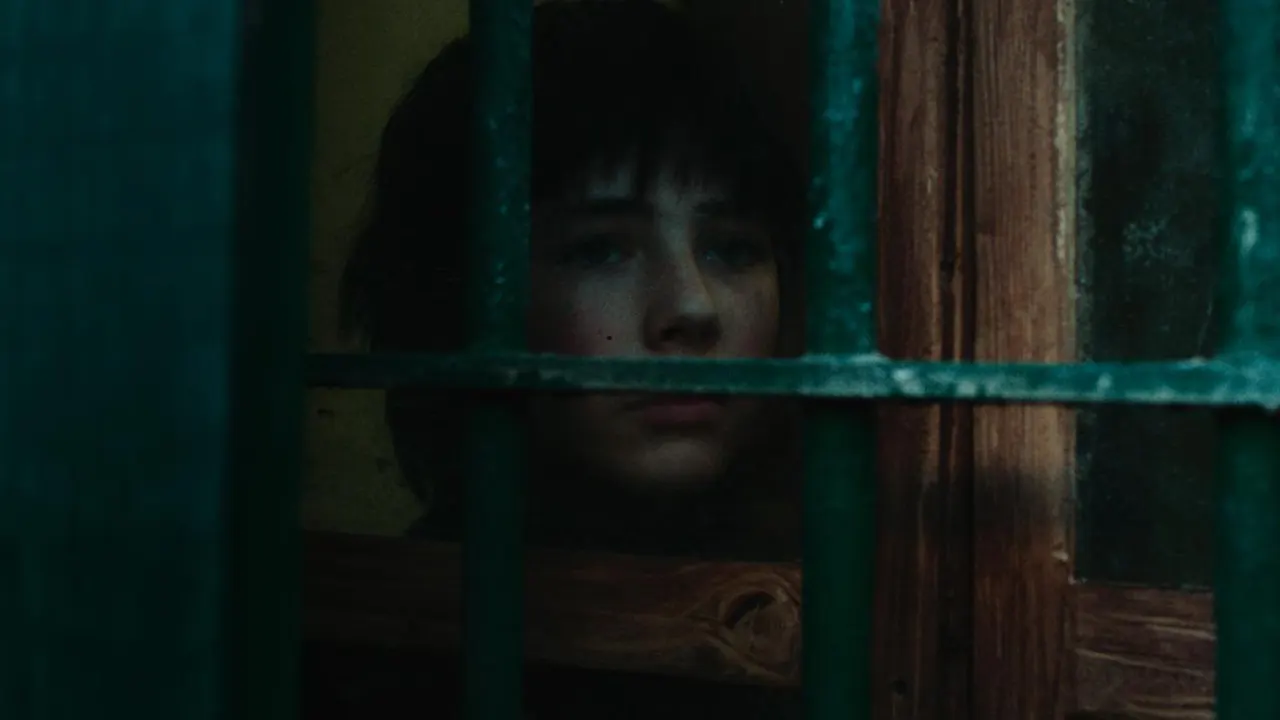
Variety’s review finds that Salvatore Mereu’s three-hour Sardinian fairy tale, “Wandering Trees”, has striking natural imagery and a sincere reverence for the land, but only intermittently achieves the magic it seeks. The critic argues that the film’s blend of fantastical storytelling and social realism creates a tonal mismatch, weakening its drama because key character motivations are insufficiently convincing.
The story centres on Piero Arca, a farmer devoted to caring for rescued animals with his young son Giuliano, whose closeness to nature makes them outsiders in their community. They face hostility, including gunfire, particularly from Sebastiano Nonne, whose household represents a more authoritarian and destructive relationship with animals and the land; the review sees this conflict as thematically clear but dramatically laboured.
In short
- Beautiful visuals cannot overcome the film’s uneven storytelling.
- A father and son’s rural life provokes local hostility.
- The review praises Mereu’s nature-focused vision but questions its dramatic logic.
Steelman: both sides, in good faith
The strongest fair case each way — we don't pick a winner.
The case for
Mereu's fusion of fairy tale and social realism is an intentional artistic strategy that captures lived complexity rather than representing a structural flaw. The film's profound reverence for landscape and sincere thematic clarity create a modern fable with genuine moral weight, offering audiences something distinctive that transcends conventional narrative convenience. Those who value authentic, unconventional storytelling find the tonal tensions and symbolic richness precisely where others see weakness.
The case against
A three-hour film must sustain emotional engagement through believable character behaviour and tonal coherence. When fantasy and social realism clash without meaningful integration, viewers struggle to invest emotionally, and weakly motivated character actions make the drama feel laboured and unconvincing. Length amplifies rather than forgives such structural failings; neither visual beauty nor thematic clarity can overcome a narrative's failure to make its characters' choices feel authentically earned.
Explained simply
Salvatore Mereu is an Italian film-maker from Sardinia, the Mediterranean island where this story is set. His films often draw on local landscapes and communities, and “Wandering Trees” combines a fairy tale with recognisable rural life.
The story follows farmer Piero Arca and his young son Giuliano, who care for rescued animals and feel out of place in their community. Their conflict with Sebastiano Nonne’s household sets different ways of treating animals and the land against each other.
That tension gives the film’s rural setting a wider purpose: the land and animals are central to the characters’ lives, not just scenery. The film’s mix of the fantastic and the everyday shapes how viewers understand the conflict and its characters.