Culture news and discussion on TalkFuse.
Finally an acceptable excuse to work from home! Wildlife warden is forced out of her office when thousands of WASPS move in and build giant nest
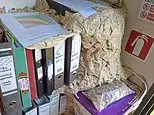
A Norfolk Wildlife Trust warden, Eilish Rothney, returned from holiday to find thousands of wasps had colonised her office at Trinity Broads in Great Yarmouth, building a large nest around a shelf of folders. The wasps entered through a gap in the door frame and have continued expanding the nest for at least a month, forcing Rothney to work around them rather than disturb their home. The story highlights how an unstaffed nature reserve office, left unattended during the busy summer conservation season, can quickly become an unexpected wildlife habitat.
Rothney, the only member of staff at the reserve, said the insects meticulously built their nest from wood scrapings and largely tolerate her presence, and she credits them with helping control leaf-eating pests. The Trust's reserves officer, Robert Morgan, noted the wasps' "no-nonsense attitude" has led to 22 recorded stings among staff, while stressing wasps play an important ecological role. Anyone concerned about a nest elsewhere has been advised to seek professional advice, as disturbing one can be dangerous.
In short
- Wasps built a giant nest inside a Norfolk warden's office
- Warden now shares the space, avoiding disturbing the colony
- Staff have logged 22 stings, but Trust praises wasps' ecological value
Steelman: both sides, in good faith
The strongest fair case each way — we don't pick a winner.
The case for
This is a nature reserve dedicated to wildlife conservation, making it especially appropriate to accommodate wild creatures even when inconvenient. Wasps provide genuine ecological services by controlling pests, and unnecessary removal would mean destroying thousands of beings for human comfort. The warden has demonstrated coexistence is workable, and occasional stings are a manageable occupational hazard for someone who chose conservation work. The Trust should demonstrate genuine environmental commitment even towards unpopular species rather than removing them at the first sign of discomfort.
The case against
A functioning workplace must prioritise employee safety; staff have a right to work without constant risk of painful stings and potential allergic reactions. Professional relocation methods exist that needn't involve killing, making it unnecessary to accept 22 stings as an unavoidable workplace cost. A single warden managing an office whilst anxious about wasps cannot perform her role effectively, which undermines the reserve's conservation mission. The Trust can balance its environmental values with worker welfare by pursuing humane alternatives rather than accepting avoidable workplace harm.
Explained simply
Trinity Broads is a nature reserve in Great Yarmouth, managed by Norfolk Wildlife Trust. Its warden, Eilish Rothney, is the only member of staff based there, so the office sits within a working wildlife habitat and may be left unattended when she is away.
Wasps build nests from fibres scraped from wood, and colonies can grow quickly during the warmer months. They also eat insects, including some that damage plants, so they have a role in the local ecosystem as well as being capable of stinging when they feel threatened.
Culture Environment Science Travel World