Video games news, releases, esports and culture — all the biggest gaming stories in one place.
Micron’s top brass wins the memory crisis corpo double speak award: ‘We do not have line of sight as to when that supply vector will intersect the demand vector’
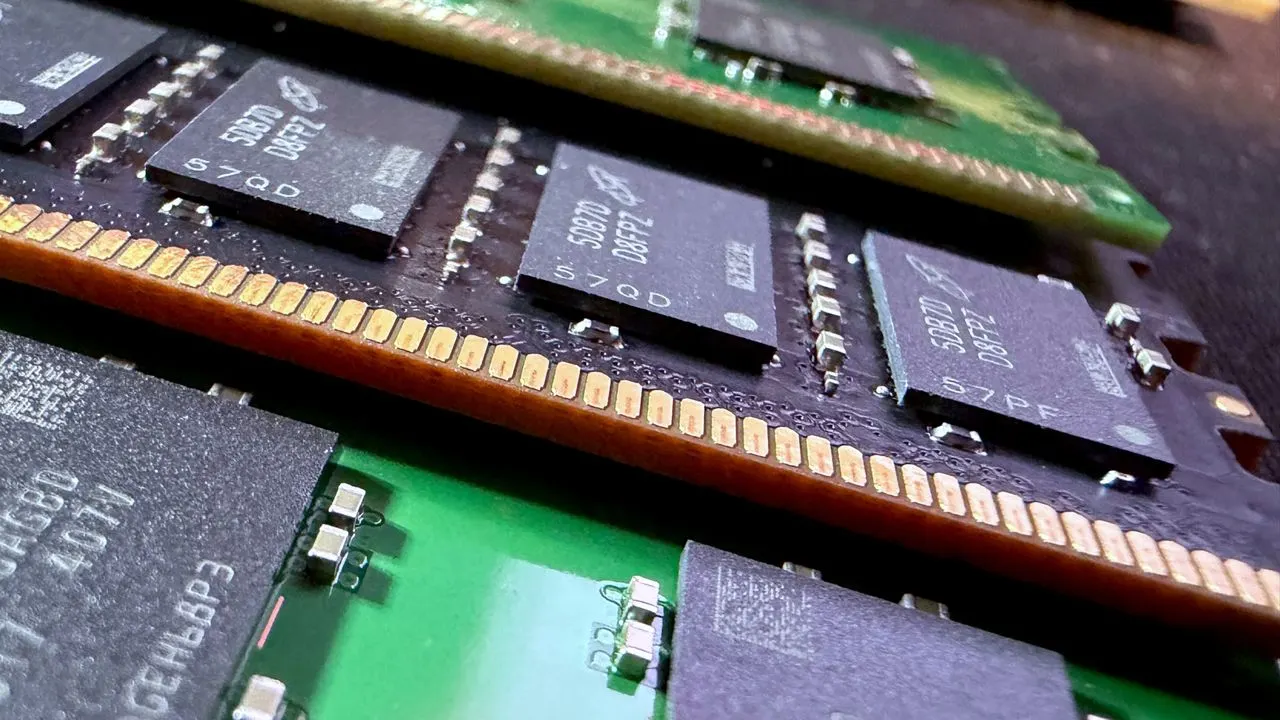
Micron executives said they cannot predict when memory-chip supply will catch up with demand, describing the imbalance in unusually technical language. The comments matter because persistent shortages are helping to keep memory prices high and may affect the availability and cost of PCs, phones and other electronics.
The shortage is being driven largely by demand for AI infrastructure, particularly high-bandwidth memory, which competes for manufacturing capacity with conventional DRAM and NAND products. Micron has said supply conditions are likely to remain tight beyond 2026, while it expands production capacity; the company has also indicated it can meet only around 50% to two-thirds of some key customers’ medium-term requirements.
In short
- Micron cannot say when memory supply will meet demand.
- AI demand is tightening supplies of conventional memory.
- Higher prices and shortages may persist beyond 2026.
Steelman: both sides, in good faith
The strongest fair case each way — we don't pick a winner.
The case for
The headline's criticism has merit—corporate jargon like 'supply vector intersecting demand vector' obscures rather than clarifies information that investors, customers and regulators genuinely need. Technical language may serve to distance executives from accountability and make it harder for stakeholders to understand what the company can actually deliver and when, which matters when shortages are driving up electronics prices industry-wide.
The case against
Micron's technical language reflects genuine complexity in semiconductor manufacturing and demand forecasting; using precise terminology acknowledges the multivariable nature of the problem rather than pretending false certainty exists. The company's concrete statement that it can meet only 50-66% of medium-term demand is itself clear communication, and demanding oversimplified predictions would either require dishonesty or strip away important nuance about competing manufacturing demands.
Explained simply
Micron is a US company that makes memory chips, which store data in devices such as computers and phones. DRAM is the short-term working memory used while a device is running; NAND stores data for longer. High-bandwidth memory is a type of DRAM designed to move data quickly, and is used in AI computing equipment.
Demand for chips used in AI data centres has risen, putting pressure on production capacity that also serves other memory products. Micron and other manufacturers are expanding capacity, but building it takes time. When supply is limited, memory prices can stay high, affecting the cost and availability of electronics for businesses and consumers.