Culture news and discussion on TalkFuse.
DOJ heavyweights throw monkey wrench in Dem plans to put Trump allies in hot seat
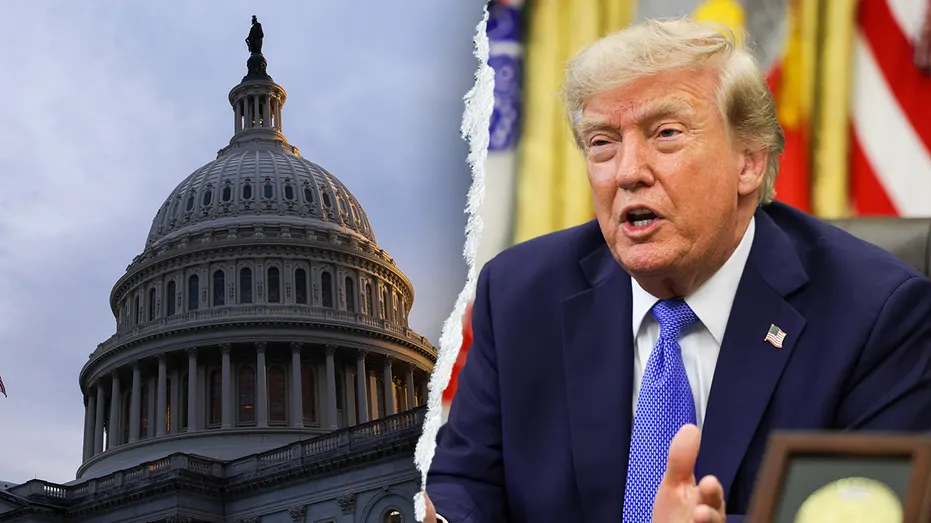
A Justice Department legal opinion has concluded that President Donald Trump’s private advisers and lawyers may invoke executive privilege when discussing matters connected to their advisory roles. The ruling could complicate Democratic efforts to compel testimony from Trump allies, limiting congressional scrutiny of the president’s decision-making and communications.
The opinion was issued by the Justice Department’s Office of Legal Counsel, which provides authoritative legal advice within the executive branch. It extends protection beyond formal government officials to certain private advisers, provided their conversations relate to official presidential responsibilities; Democrats are likely to challenge the scope of that protection.
In short
- DOJ opinion may shield Trump’s private advisers from congressional questioning.
- Executive privilege could cover advice linked to presidential duties.
- Democrats’ oversight plans may face legal obstacles.
Steelman: both sides, in good faith
The strongest fair case each way — we don't pick a winner.
The case for
Supporters of executive privilege extension argue that presidents require confidential advisers to govern effectively, and that private counsellors acting in an advisory capacity should receive protections comparable to government officials to ensure candid counsel on sensitive matters. They contend executive privilege serves the institutional interests of the presidency and reflects sound separation of powers doctrine, preventing Congress from gaining unlimited access to deliberative communications that would otherwise chill frank advice-giving.
The case against
Opponents argue that executive privilege was designed for government officials subject to ethics rules and public accountability mechanisms, and that extending it to private citizens circumvents legitimate congressional oversight authority. They contend private advisers lack institutional constraints and shouldn't receive equivalent protections to government employees, and that public accountability requires transparency regarding external influences on presidential decision-making.
Explained simply
The Justice Department’s Office of Legal Counsel advises the executive branch on legal questions. Executive privilege is a claim that can protect some presidential discussions from being disclosed, including in response to requests from Congress.
Presidents rely on advisers to help carry out their duties, and some advisers are private lawyers or consultants rather than government officials. The dispute is over whether those private advisers can claim the same protection when their conversations relate to the president’s official work, and how far that protection extends.
Congressional committees can seek testimony as part of their oversight of the executive branch. The scope of privilege matters because it may affect what lawmakers can learn about presidential decisions and communications.
Art Culture Government Politics World