Video games news, releases, esports and culture — all the biggest gaming stories in one place.
The Steam Frame needs to be more than a cool device if Valve want to reshape the VR market
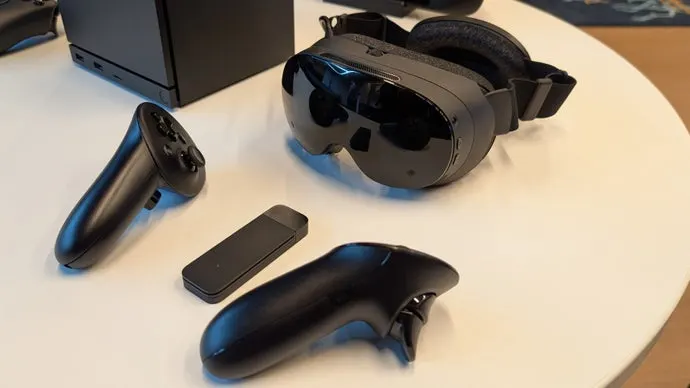
Valve’s forthcoming Steam Frame arrives as the virtual-reality market faces falling headset shipments, studio closures and a wider games-industry downturn. The article argues that VR is not necessarily performing worse than gaming overall, but Valve will need to offer more than appealing hardware if it is to challenge Meta’s dominance and revive interest in mid-range gaming headsets.
Global VR headset shipments fell 17% in the first quarter of 2026, amid few significant launches since 2024; Apple’s Vision Pro and Samsung’s Galaxy XR are not primarily gaming devices. Meta’s Quest 2, Quest 3 and Quest 3S account for over two-thirds of Steam VR users, compared with 11% for Valve’s Index, while Meta says Quest usage reached a record high in 2025 and Horizon Store game sales rose slightly.
In short
- Steam Frame faces a weakened but not uniquely failing VR market.
- Meta dominates consumer VR gaming usage.
- Valve needs games and ecosystem support, not just attractive hardware.
Steelman: both sides, in good faith
The strongest fair case each way — we don't pick a winner.
The case for
Valve's Steam Frame could reshape the market through what Meta never achieved: a developer-focused ecosystem where hardware quality, reasonable pricing, and open-platform principles align. Valve's proven success with the Steam Deck demonstrates it can enter competitive hardware markets and win through superior engineering and developer goodwill. With strong curation of existing games, generous revenue terms for studios, and accessible pricing, Valve could credibly capture the underserved mid-range gaming segment that Meta abandoned whilst pursuing broader applications.
The case against
Meta's dominance reflects structural advantages beyond hardware quality. With over two-thirds of Steam VR users already committed to Meta's ecosystem, switching costs and network effects create barriers no newcomer easily overcomes. The industry-wide decline in headset shipments and studio closures suggests VR gaming lacks sufficient consumer demand and compelling content—problems no single manufacturer can solve. Meta's vastly greater resources mean it can outspend Valve on hardware subsidies, content acquisition, and ecosystem integration, advantages that dwarf what a hardware-focused challenger can offer.
Explained simply
Virtual reality headsets let people see and interact with computer generated worlds, often using hand controls. Gaming is one use, but some newer headsets are mainly designed for work, media or general computing.
Meta’s Quest headsets make up most of the headsets used by people playing VR games on Steam, while Valve’s Index has a smaller share. Headset makers depend on games and other software to give people reasons to buy and keep using their devices, and studios depend on enough customers to make VR games worthwhile.
The wider games industry is also facing financial pressure, including studio closures. That makes the prospects for a new headset relevant to both hardware makers and game developers, as well as to people deciding whether VR gaming is worth investing in.