Culture news and discussion on TalkFuse.
How Three Artists Scored No. 2 Hot 100 Hits Without Doing Anything on the Songs
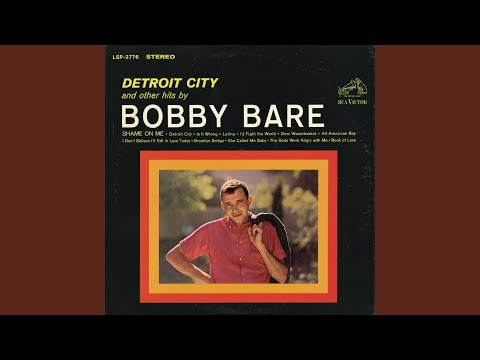
Billboard examines three artists who were credited with No. 2 hits on the Hot 100 despite not performing musically on the recordings. The cases show how promotional decisions, incorrect paperwork and unpredictable music-industry practices can distort chart credits and shape an artist’s public legacy.
One example is Bill Parsons, whose name was used on Bobby Bare’s recording of “The All American Boy” after Fraternity Records bought and released it alongside a Parsons track. Parsons promoted the record by miming to it while Bare began military service, and it reached No. 2 on 2 February 1959 behind The Platters’ “Smoke Gets in Your Eyes”; Parsons never had another Hot 100 hit, while Bare later became a major country performer.
In short
- Three No. 2 hits credited artists who did not perform on them.
- Bill Parsons promoted Bobby Bare’s recording as his own hit.
- The cases expose unreliable chart-crediting practices.
Steelman: both sides, in good faith
The strongest fair case each way — we don't pick a winner.
The case for
In the mid-twentieth-century music industry, record labels owned recordings and made all decisions about credits and release, which were tied to rights ownership and promotional positioning rather than studio performance alone. Artists like Parsons added genuine commercial value through their public promotion—performing and miming the song across the country required real skill and contributed meaningfully to the record's success. These credit decisions weren't deceptive but reflected standard industry practice where multiple parties' contributions were negotiated contractually.
The case against
Assigning chart success and performance credits to someone who didn't perform the song fundamentally betrays both audiences and the actual artists involved. Listeners believed they were hearing Parsons sing; the achievement became falsely attributed to him whilst Bare received no recognition for months; and the chart position became a marketing tool rather than a measure of genuine musical accomplishment. This practice damages the integrity of charts as meaningful indicators of artistic achievement and exploits consumers' trust by presenting a false picture of who created the music they're hearing.
Explained simply
The Billboard Hot 100 ranks songs by their popularity in the United States. Artists can be credited on a record for reasons beyond who sang or played on it, including how a release was labelled or promoted.
Bill Parsons’s name was used on a recording made by Bobby Bare after their record label released it alongside a Parsons track. Parsons promoted the song by miming to it while Bare was away doing military service. The credit became part of Parsons’s brief chart history, while Bare went on to a long career in country music.
Art Culture Entertainment Music