Culture news and discussion on TalkFuse.
I’m more excited about smartphone colors than any actual new features in 2026
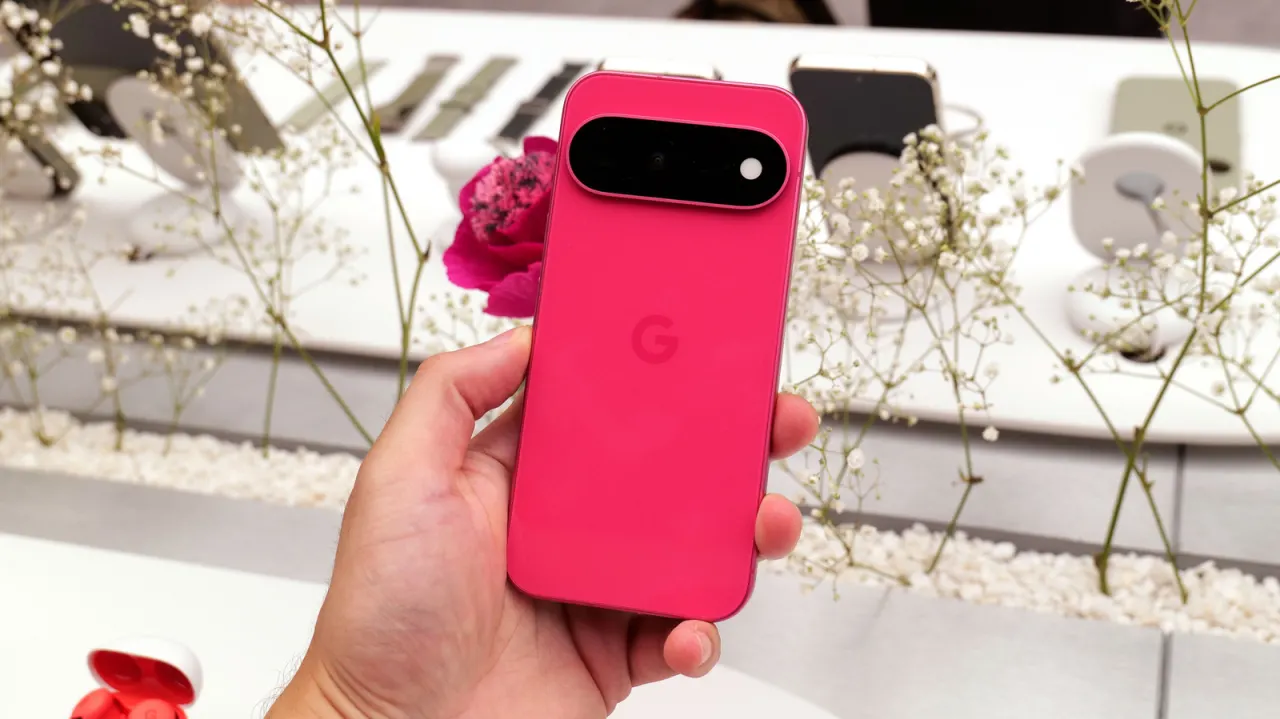
The article argues that smartphone colours have become more exciting than new features as handsets enter a mature, iterative phase. It highlights Google’s Pixel 11 range as an example, suggesting that bold finishes may help differentiate devices when performance improvements alone give existing owners little reason to upgrade.
Google’s Pixel 11 Pro is offered in a light orange “canyon” finish with gold accents, while the standard Pixel 11 has a vivid magenta option; the writer contrasts these with last year’s indigo and lemongrass Pixels. Apple is also rumoured to introduce a dark cherry iPhone 18 Pro alongside blue, silver and black, following the more striking cosmic orange iPhone 17 Pro, while Samsung’s Galaxy S26 colours are described as comparatively subdued.
In short
- Bold colours are becoming smartphone makers’ main differentiator.
- Pixel 11 introduces peach and magenta finishes.
- Apple may add dark cherry to iPhone 18 Pro.
Steelman: both sides, in good faith
The strongest fair case each way — we don't pick a winner.
The case for
The smartphone market has reached functional maturity, with processing improvements now incremental and features like computational photography approaching saturation for practical daily use. When genuinely transformative capabilities arrive infrequently, colour choices become the primary means of differentiation for manufacturers and a visible form of novelty for consumers, making bold aesthetic finishes a rational focus when functional advances provide little reason for users to upgrade.
The case against
Smartphone capabilities continue advancing meaningfully in areas that matter—artificial intelligence processing, computational photography, display technology and thermal management have all improved substantially in recent models. The prominence of colour in marketing reflects manufacturers' ease in promoting superficial distinctions rather than any genuine absence of feature development; most consumers prioritise performance and capability over finish when upgrading, suggesting that framing colour prominence as more exciting than features misrepresents marketing strategy as evidence of innovation stagnation.
Explained simply
Smartphones have traditionally been marketed through improvements to cameras, speed, battery life and screens. As these changes become smaller from one generation to the next, many owners find that a newer model offers little reason to replace a phone that still works well.
Colour and finish can give new handsets a more noticeable identity. Google’s Pixel phones are one example, with recent and expected models described in bright shades; Apple and Samsung are also part of the competition to make their phones stand out. These choices matter to buyers who care about how a phone looks, and to manufacturers looking for ways to attract upgrades.
Art Culture Entertainment Gadgets Geopolitics Politics Technology TV