The race to save thousands of animals
Developed over time first seen 2 months ago
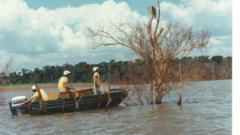
In October 1982, the closure of the diversion gates at the Itaipu hydroelectric project on the Paraná River began the rapid creation of a vast reservoir on the Brazil–Paraguay border. As water rose across forest and farmland, wild animals were forced on to shrinking patches of higher ground and temporary islands. The emergency operation, known as Mymba Kuera, brought together around 200 rescuers using boats, vehicles and helicopters to search the inundation zone for animals including monkeys, armadillos, reptiles and birds.
Itaipu’s account says the reservoir filled in 14 days and that the rescue saved 36,450 animals, which were assessed and moved to refuges or released in safer areas. Contemporary reporting described the practical difficulty of reaching islands that could disappear within hours, as well as questions over the scheme’s wider environmental consequences and the scale of outside assistance accepted. The story revisits a major wildlife-rescue effort carried out alongside a project that permanently transformed the river landscape, displaced communities and submerged extensive habitat, including the Guaíra Falls.
- Itaipu’s reservoir began filling in October 1982 after the Paraná River was dammed.
- Mymba Kuera rescuers worked against rapidly rising water to recover stranded wildlife.
- Itaipu says 36,450 animals were saved, though the dam’s environmental and social impacts remained extensive.
More coverage