World news and discussion on TalkFuse.
Marine veteran Robert Gilman returns to US soil as Trump admin fulfills request: ‘No American left behind’
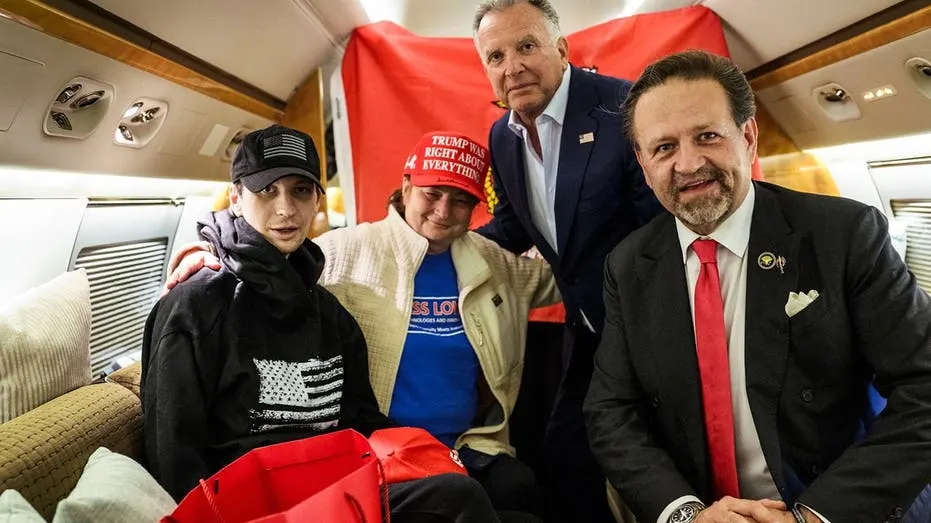
Marine veteran Robert Gilman has returned to the United States after being released from a Russian prison, with the Trump administration presenting the outcome as evidence of its commitment to securing the return of detained Americans. The reported release matters because it was achieved without a prisoner swap, according to the article, potentially signalling a shift in US hostage and wrongful-detention diplomacy.
Photos and video of Gilman’s return emerged on Wednesday. The article describes him as having endured a “nightmare” in Russian custody and notes that former hostage negotiator Dan O’Shea characterised the case as a negotiation breakthrough; it also says wrongful detentions of US citizens overseas have declined.
In short
- Robert Gilman returned to the US after release from Russia.
- The release reportedly involved no prisoner swap.
- The administration framed it as a hostage-diplomacy success.
Steelman: both sides, in good faith
The strongest fair case each way — we don't pick a winner.
The case for
The administration's approach to detained Americans is producing measurable results, with Gilman's release achieved through negotiation without prisoner exchange demonstrating effective diplomacy grounded in principle. Combined with reporting that wrongful detentions of American citizens have declined and a professional hostage negotiator's assessment of this as a breakthrough, the evidence suggests that prioritising these cases and maintaining pressure on foreign governments yields real outcomes for families and validates the commitment to leaving no American behind.
The case against
Whilst Gilman's release is a positive outcome, a single case does not establish that the administration's policy approach is the determining factor in his return. The emphasis on avoiding prisoner swaps leaves unclear what other diplomatic concessions or costs may have been incurred in the negotiation. Assessing whether the policy is genuinely working requires examining the full record of detained-American cases and distinguishing between policy success and outcomes driven by external circumstances beyond the administration's control.
Explained simply
The United States and Russia have long had tense relations, and Americans held in Russian prisons can become part of wider diplomatic negotiations. Some are detained after criminal convictions, while the US government may argue that a citizen has been wrongly held.
In past cases, governments have sometimes secured detainees’ release through prisoner swaps, exchanging people held in their own prisons. A release without a swap can therefore draw attention to how officials negotiated and what approaches may be used in future cases.
The US government works with other countries to seek the return of detained Americans, while Russia’s authorities control decisions about people held in Russian prisons. These cases matter to families and to governments because they affect citizens’ safety and relations between the countries involved.