Business news and discussion on TalkFuse.
The Best Photos of the Big August Solar Eclipse
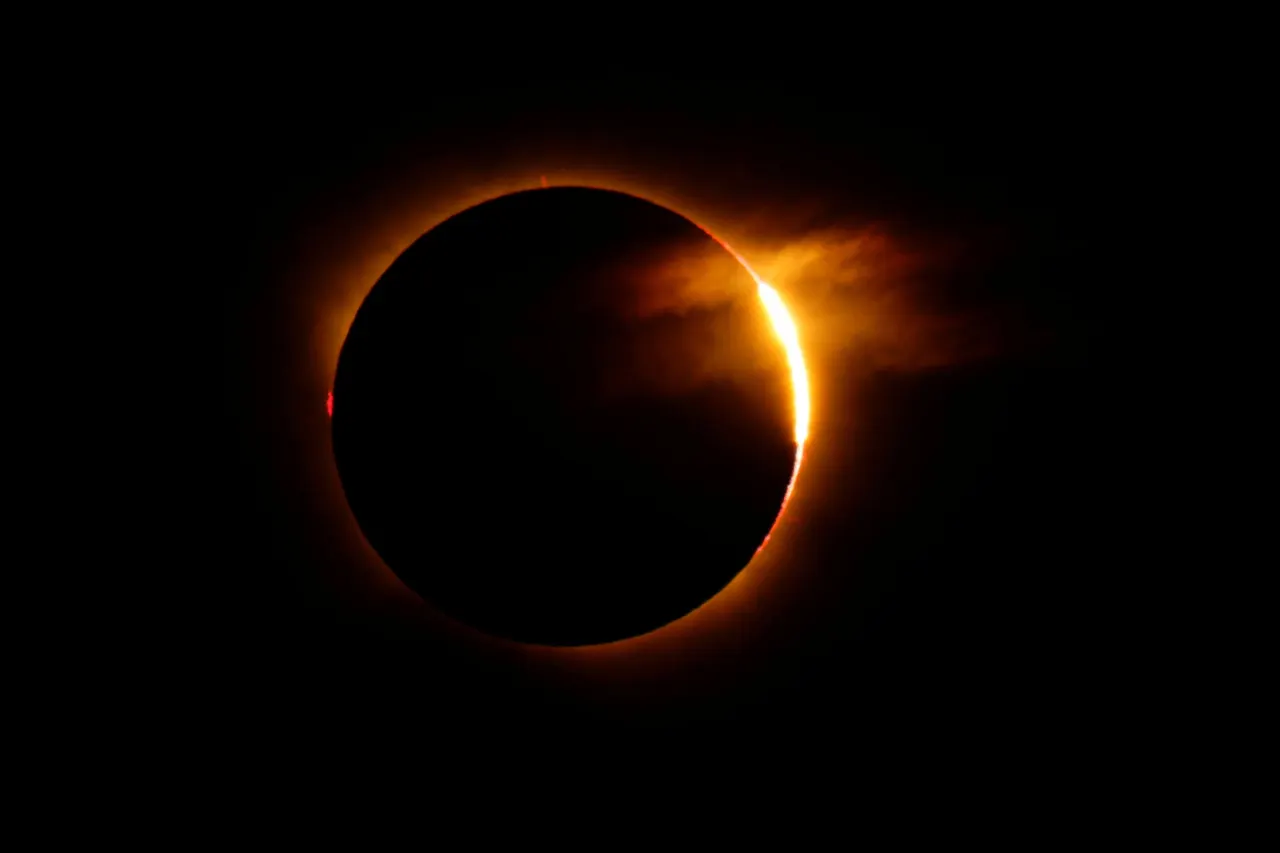
Spain experienced its first total solar eclipse in more than a century, producing striking views as the sun sat low above the horizon. The event drew crowds across the country and enabled scientific observations of the solar corona and changes in Earth’s atmosphere during the brief period of totality.
The moon’s shadow reached the Iberian peninsula at 8:30 pm CEST, with totality visible in regions including Madrid, Catalonia, Galicia and the Balearic Islands; elsewhere in Spain the eclipse was partial. The wider event lasted about four and a half hours, while complete darkness lasted just under two minutes; NASA flew a WB-57 research aircraft at 50,000 feet and supported student balloon launches in Iceland and Spain.
In short
- Spain saw its first total solar eclipse in over a century.
- Totality lasted under two minutes across parts of Spain.
- NASA used the eclipse for solar and atmospheric research.
Explained simply
A solar eclipse happens when the moon passes between Earth and the sun, blocking some or all of the sun from view. During a total eclipse, the moon briefly covers the sun completely, revealing its faint outer atmosphere, called the corona.
The path of totality is the narrow strip where people can see the sun fully covered; nearby places see only a partial eclipse. Astronomers study the corona during totality, while researchers can also track how the sudden drop in sunlight affects Earth’s atmosphere.
Eclipses can draw large crowds because totality lasts only a short time and is visible from a limited area. Observations from the ground, aircraft and research balloons help scientists gather evidence during the event.
Business Markets Space Technology