Science news and discussion on TalkFuse.
Rising costs put strain on zoo’s conservation work
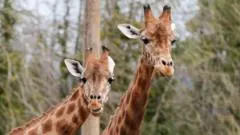
Twycross Zoo says post-Brexit rules and rising costs for moving animals between the UK and Europe are hindering conservation breeding programmes. It warns that without a new UK-EU agreement to simplify transfers, endangered species could face weaker genetic diversity and reduced chances of successful breeding.
The zoo recorded nine international animal arrivals in 2025, compared with 33 in 2019, while UK zoo transfers with Europe reportedly fell from about 1,400 annually to 390. Transfers now require separate licences, health checks, quarantine arrangements and agreement between several countries; this is delaying efforts to import mates for Kordofan giraffes and critically endangered Sumatran tigers. Defra said it was negotiating with European governments to reduce bureaucracy around zoo animal imports and exports.
In short
- Post-Brexit rules are making zoo animal transfers slower and costlier.
- Twycross says breeding programmes for endangered species are being affected.
- The government says it is negotiating to reduce transfer bureaucracy.
Steelman: both sides, in good faith
The strongest fair case each way — we don't pick a winner.
The case for
Post-Brexit regulations and increased bureaucracy are significantly hampering international animal transfers for conservation breeding programmes. The dramatic decline from 1,400 to 390 annual transfers demonstrates real operational harm, and difficulties importing mates for critically endangered species pose genuine threats to genetic diversity and breeding success. Simplified UK-EU agreements could maintain essential welfare and health standards whilst removing unnecessary administrative obstacles.
The case against
The regulations exist for important reasons—protecting animal welfare, preventing disease spread, and ensuring proper oversight of international animal movements. Whilst transfers have declined, 390 annual transfers still occur, and the additional scrutiny may prevent unforeseen problems. Rather than relaxing regulations, alternative solutions like strengthened domestic breeding partnerships or streamlined applications for essential transfers might achieve conservation goals without compromising standards that protect animal welfare.
Explained simply
Zoos often breed endangered animals as part of international programmes, matching animals from different collections to maintain healthy populations. Moving animals between zoos can help find suitable mates and avoid breeding closely related animals.
Twycross Zoo is a UK zoo involved in these programmes. Since Brexit, moving animals between the UK and Europe has involved more paperwork, health checks and quarantine arrangements, which can add time and cost.
The UK and European zoos rely on co-ordinating transfers across borders, while Defra handles the UK’s discussions with European governments. The issue matters because fewer or slower transfers may limit breeding choices for endangered species and affect the genetic diversity of their populations.