The mythic origins of Elden Ring’s spooky scary skeletons
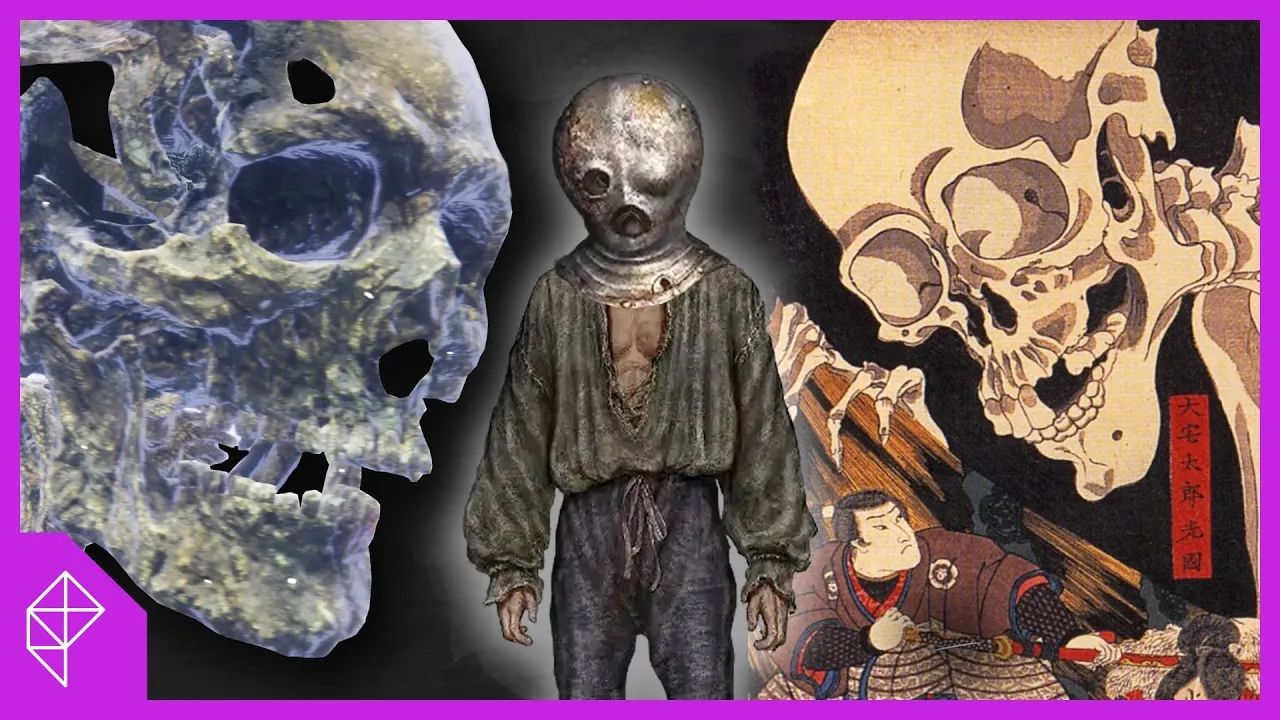
The article examines how Elden Ring turns the familiar video-game skeleton into a memorable, irritating enemy, arguing that FromSoftware has refined the design of these seemingly basic foes. It places the game’s skeletons within a much older cultural tradition, showing that their appeal and symbolism extend far beyond modern role-playing games.
It notes that players have fought skeletons since the early days of Dungeons & Dragons, co-created by Gary Gygax, but says their origins lie in myths from many societies. Elden Ring draws on these varied traditions to shape enemies that are both comic and threatening, reinforcing the game’s wider use of folklore and mythic imagery.
- Elden Ring’s skeletons draw on worldwide mythological traditions.
- The article traces skeleton enemies beyond Dungeons & Dragons.
- FromSoftware makes basic undead foes unusually memorable.
New here? Start with this
Skeletons have been a common enemy in fantasy games for decades, often serving as simple undead creatures that rise from graves or guard old ruins. Their modern gaming role was helped by Dungeons & Dragons, the tabletop game co-created by Gary Gygax in the 1970s, which drew on older stories about the dead returning to trouble the living.
Elden Ring is a fantasy action role-playing game made by Japanese developer FromSoftware. Its world is filled with monsters, ruins and mysterious figures influenced by folklore, religion and myth from different cultures, rather than relying on one single tradition.
In the game, skeletons can be more than straightforward opponents because some revive unless players deal with them in a particular way. This makes them part of Elden Ring’s wider approach to danger: familiar fantasy ideas are altered to create uncertainty and encourage players to learn how the world works.