Science news and discussion on TalkFuse.
Trump-approved energy projects at risk of sudden death by next hostile president
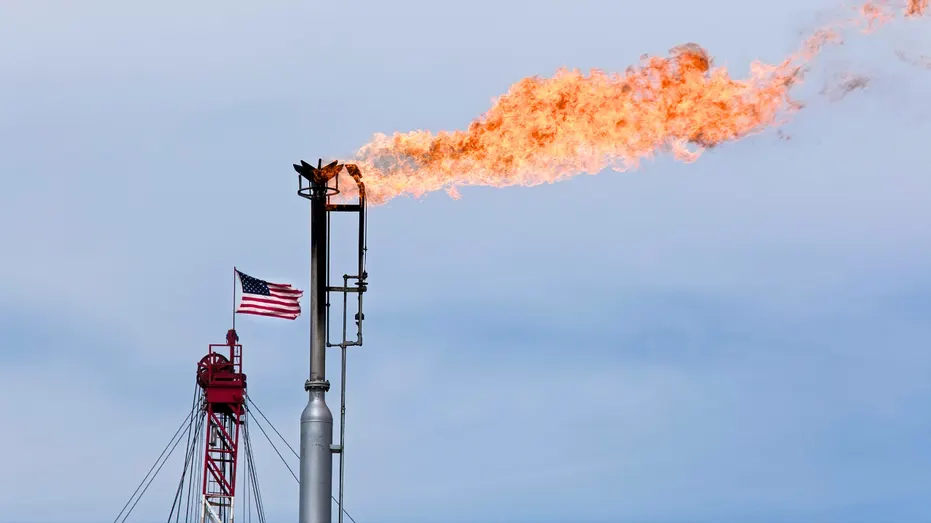
President Donald Trump’s effort to speed up energy and infrastructure projects could be weakened by an Environmental Protection Agency power that allows permits to be vetoed even after they have been issued. The article argues that this creates uncertainty for developers, as a future administration hostile to a project could potentially halt it after companies have invested substantial time and money.
The authority comes from Section 404(c) of the Clean Water Act, which lets the EPA prohibit or restrict certain activities involving waters and wetlands. It applies to projects requiring federal permits and is presented as a significant obstacle to long-term certainty for energy and infrastructure development, regardless of approvals secured under the current administration.
In short
- EPA powers could overturn already-issued energy project permits.
- Future administrations may threaten long-term project certainty.
- The dispute centres on Clean Water Act Section 404(c).
Steelman: both sides, in good faith
The strongest fair case each way — we don't pick a winner.
The case for
Retroactive permit revocation undermines investment certainty essential for major infrastructure projects. Developers require assurance that lawfully issued permits will stand, otherwise they cannot secure financing or justify the years required to bring projects to completion. If permits become perpetually vulnerable to veto by hostile future administrations, capital will flee to jurisdictions offering genuine legal finality, weakening American energy independence and economic competitiveness. An elected president with a mandate for development should be able to implement that agenda without prior bureaucratic decisions remaining as permanent obstacles.
The case against
The EPA's statutory authority under the Clean Water Act to protect waters and wetlands exists independently of when permits were issued. Environmental conditions may warrant reconsideration based on new evidence or inadequate initial scrutiny; treating permits as absolutely irrevocable means environmental protection becomes subordinate to investment certainty. The legal power to restrict harmful activities cannot simply disappear because a sympathetic administration approved them; that would subordinate statute to administrative convenience. Presidents govern within legal constraints, not above them, and the EPA's authority represents an essential check preventing environmental protections from being dismantled through mere succession of administrations.
Explained simply
Section 404(c) of the Clean Water Act gives the Environmental Protection Agency (EPA) power to block or restrict some projects that affect rivers, wetlands and other waters. The power can apply even after a project has received a federal permit.
Energy and infrastructure projects can take years to plan and build, and companies may spend heavily before work begins. Because a future president can appoint an EPA leadership with different priorities, developers may face uncertainty about whether a permitted project can go ahead.
Environment Government Politics Science World