Culture news and discussion on TalkFuse.
Biden clemency blitz left DOJ scrambling as many commutations bypassed normal vetting, emails show
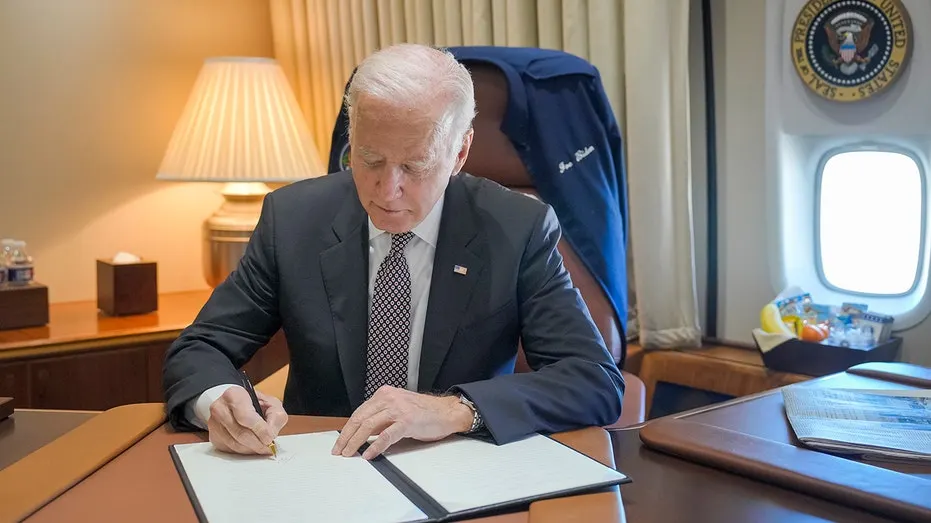
Internal Justice Department emails obtained via a Freedom of Information Act request show officials scrambled to interpret and correct errors in Joe Biden's end-of-term clemency grants, with many commutations bypassing the department's usual pardon-office vetting. The records, secured by the group Protect the Public's Trust and shared with Fox News Digital, reveal confusion over cases including a career offender's sentence and an incorrectly worded notice describing Hunter Biden's pardon. The findings have drawn criticism from former pardon attorneys, a federal judge and other officials, who say the process fell short of the careful deliberation Biden's administration publicly promised.
Among the specific issues, a deputy pardon attorney acknowledged that many of the 17 January commutations lacked normal review, while the Office of the Pardon Attorney was reportedly caught off guard by Hunter Biden's pardon and had to correct a notice wrongly stating it came "after completion of sentence." Separately, US District Judge Daniel Hovland said neither sentencing judges, prosecutors nor victims had been consulted on more than a dozen North Dakota commutations. The DOJ also confirmed that roughly 1,500 people granted clemency on 12 December, largely those on CARES Act home confinement, did not receive individualised case reviews, while then-Pardon Attorney Liz Oyer said in a leaked internal email that the January action was carried out with little coordination with the department.
In short
- DOJ emails show Biden's late clemency grants bypassed normal vetting
- Errors found in Hunter Biden pardon notice and other cases
- Judge, officials criticise lack of consultation on commutations
Steelman: both sides, in good faith
The strongest fair case each way — we don't pick a winner.
The case for
Presidential clemency authority is constitutionally vested in the President alone and does not require Justice Department approval or lengthy bureaucratic vetting. Many of the disputed grants, particularly the 1,500 CARES Act commutations, involved individuals already thoroughly screened and approved for home confinement status, providing adequate factual foundation for clemency decisions. Whilst administrative tidiness would be preferable, procedural shortcuts at year's end are standard practice across administrations, and the substantive outcomes reflect legitimate exercise of constitutional power.
The case against
Although the President possesses clemency authority, the documented process fell substantially short of the careful, consultative deliberation publicly promised and historically expected. The bypass of individual case review for 1,500 people, failures to consult sentencing judges, prosecutors and victims despite explicit assurances, and documented errors in formal notices reflect inadequate governance of a consequential power. Responsible exercise of constitutional authority requires not merely legal prerogative but demonstrated procedural care, accuracy and stakeholder consultation.
Explained simply
Clemency is the president’s power to reduce federal sentences or forgive federal offences. A commutation shortens a sentence, while a pardon forgives an offence; neither changes state convictions. The Justice Department’s Office of the Pardon Attorney usually reviews applications and advises the president.
Joe Biden issued several large groups of clemency grants near the end of his presidency, including for people serving long sentences and people moved to home confinement during the coronavirus pandemic. The grants affected people convicted in federal courts, where judges, prosecutors and victims may have information relevant to individual cases.
The process matters because clemency decisions can have lasting effects on people’s sentences and records, and because the public needs to understand how presidential powers are used. The reported records raise questions about how much case-by-case review and coordination took place across the different grants.