Politics news and discussion on TalkFuse.
POLL OF THE DAY: Are Labour’s environmental policies to blame for record wildfires?
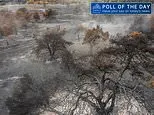
A Daily Mail poll invites readers to weigh in on whether the Labour government's environmental policies are to blame for a record surge in wildfires across England and Wales. Some 1,017 fires have already occurred this year, matching the total for the whole of 2025, with campaigners arguing that Labour's rewilding approach has left countryside overgrown with dry vegetation that ignites easily during hot, dry spells.
Campaigners claim ministers have ignored warnings that allowing nature to regenerate without human management has created a build-up of tinder-dry brush, with temperatures set to reach 38C adding to the risk. Defra has defended its stance, describing the policies as a "long-term" solution rather than a quick fix. The article also notes the result of the previous day's poll, in which 79 per cent of over 8,000 respondents said middle-class areas should not have to take in more migrants, as suggested by Andy Burnham.
In short
- England and Wales hit record 1,017 wildfires this year already
- Campaigners blame Labour's rewilding policies for tinderbox conditions
- Defra says its approach is a long-term solution, not quick fix
Steelman: both sides, in good faith
The strongest fair case each way — we don't pick a winner.
The case for
Critics argue that environmental rules can unintentionally make wildfire risk worse if they restrict routine vegetation management, controlled burning, grazing, drainage maintenance or rapid clearance of combustible material. They say governments have a duty to balance conservation aims with practical land stewardship, particularly as hotter, drier summers make fuel build-up more dangerous for rural communities, wildlife and firefighters.
The case against
Supporters of Labour’s environmental policies would argue that record wildfire conditions are driven principally by extreme heat, drought and a changing climate, not by a single government’s recent decisions. They contend that stronger climate action, habitat restoration and evidence-led land management are part of reducing long-term risk, while blaming conservation measures may distract from the need for resilient emergency planning and responsible management by landowners.
Explained simply
Wildfires occur when vegetation burns across open land, and hot, dry weather can make them more likely to spread. The risk is affected by weather, the amount and condition of vegetation, and how land is managed.
The Labour government sets environmental policy in England, while the Department for Environment, Food and Rural Affairs (Defra) oversees areas including nature recovery and countryside management. Rewilding generally means allowing natural processes and habitats to return, though approaches vary in how much active management they involve.
The debate is about whether land-management policies have contributed to wildfire risk, alongside weather and other factors. Campaigners and ministers disagree about the risks and benefits of the government’s approach, and assessing its role requires evidence about what caused individual fires and how conditions have changed.
Elections Environment Government Politics Science World