Culture news and discussion on TalkFuse.
Mine by Adam Ouston review – novel told in a single sentence is a hallucinatory reading experience
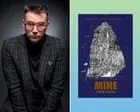
Adam Ouston’s Mine is an experimental second novel written as a single, unbroken sentence, following an ageing poet trapped at the bottom of an abandoned Tasmanian mine while pursuing material for his final major work. The reviewer finds the form strenuous but exhilarating, arguing that its breathless, disorientating style makes the reader share the protagonist’s fear, confinement and delirium.
The novel combines environmental and social history with reflections on colonial ownership, extractive mining and Tasmania’s harsh landscape. Its roaming narrative includes grief for a friend, Antarctic exploration, a ghost-town visit and the 1912 North Mount Lyell mine disaster, in which 42 men died; despite comparisons with other maximalist single-sentence novels, the review says Mine remains distinctly rooted in Tasmania’s brutal history and ecology.
In short
- A demanding single-sentence novel about entrapment, memory and Tasmania.
- Its form mirrors a poet’s claustrophobic ordeal underground.
- Mining history and colonial exploitation drive its themes.
Steelman: both sides, in good faith
The strongest fair case each way — we don't pick a winner.
The case for
Experimental forms like single-sentence narratives can powerfully align a text's physical experience with its thematic content, forcing readers to inhabit the protagonist's breathlessness and disorientation rather than observe it distantly. Such formal constraints often generate creative breakthroughs, allowing writers to discover unexpected connections and create moments of revelation impossible within conventional structures. Literature that challenges readers' expectations of form expands what the medium can achieve and offers genuine insight into psychological states that straightforward narration cannot capture.
The case against
Whilst formal innovation can illuminate, there remains a risk that experimental techniques become ends in themselves rather than means of genuine expression, prioritising the writer's technical achievement over readers' capacity to engage meaningfully with the work. A relentless single sentence, however intentional, can exhaust rather than enlighten; the same profound themes about grief, history and confinement might be more powerfully communicated through forms that allow necessary moments of reflection and respite. Challenging conventions matters, but only when the challenge serves the story itself rather than replacing it.
Explained simply
Tasmania is an island state of Australia with a history shaped by mining and other industries that take resources from the land. Abandoned mines and settlements are part of its landscape, alongside the effects of colonial ownership and environmental change.
The North Mount Lyell mine disaster happened in 1912, when 42 men died underground. Its history gives context to Adam Ouston’s novel, which follows an ageing poet in an abandoned Tasmanian mine and ranges across the island’s past and landscape.
Culture Entertainment Geopolitics Music Politics