World news and discussion on TalkFuse.
Ukrainian drones wipe out entire US tank brigade in live war game
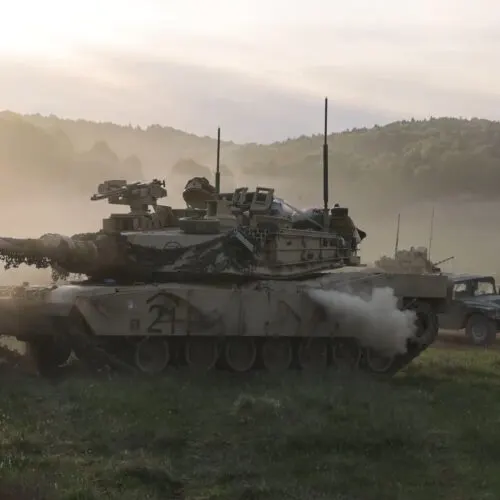
Ukrainian drone teams destroyed or disabled a US Army armoured brigade in a simulated exercise in Germany, illustrating how exposed tanks and infantry fighting vehicles have become to modern drone warfare. The event gave US troops practical experience of tactics developed in Ukraine, including drone reconnaissance, bomb drops and simulated kamikaze strikes, while allowing destroyed vehicles to be returned to the exercise.
Combined Resolve ran from 9 April to 10 May and involved troops from the 3rd Armored Brigade Combat Team, 1st Cavalry Division, deployed from Fort Hood, Texas. Repeating the scenario helped soldiers improve dispersal, concealment and electronic-warfare countermeasures; similar Ukrainian-led drone demonstrations disrupted a NATO exercise in Sweden. The article places this in the wider Ukraine war, where drones have made large mechanised assaults far riskier and where Oryx has visually confirmed Russian losses of more than 14,000 tanks and other armoured vehicles, compared with over 6,000 Ukrainian armoured combat vehicles.
In short
- Ukrainian drones overwhelmed US armour in a German training exercise.
- US troops practised hiding, dispersing and electronic countermeasures.
- The exercise reflected drones’ growing threat to armoured warfare.
Steelman: both sides, in good faith
The strongest fair case each way — we don't pick a winner.
The case for
Ukrainian-led tactics in this exercise highlight a genuine vulnerability in current armoured formations that strategists cannot ignore. Across Ukraine, drone warfare has devastated Russian mechanised units in actual combat, and this exercise proves the threat is equally real for Western forces. The military must urgently integrate lessons on electronic warfare, dispersal, and drone defence into doctrine and training, because these threats will define future conflicts and ignoring them invites costly surprises.
The case against
Whilst exercises provide valuable training, a single scenario with inherent limitations should not dictate strategic priorities or suggest that proven military systems are obsolete. Real operations would feature coordinated air support, sophisticated electronic countermeasures, and combined-arms tactics that were not present in this controlled exercise. Lessons from Ukraine should be thoughtfully integrated into doctrine through careful analysis rather than treated as proof that traditional mechanised warfare requires fundamental transformation.
Explained simply
The war in Ukraine has shown how small drones can spot vehicles and troops, and guide attacks using explosives. This has made it harder for armies to move tanks and infantry fighting vehicles without being seen.
The US Army’s 3rd Armored Brigade Combat Team took part in Combined Resolve, a training exercise in Germany. Ukrainian drone teams helped show how reconnaissance drones, bomb-carrying drones and simulated one-way attacks can be used, while US troops practised hiding, spreading out and countering drone signals.
The exercise reflects a wider change in modern warfare: armoured vehicles remain important, but they face growing risks from drones. The conflict in Ukraine has also caused heavy losses of military vehicles on both sides.
Americas Geopolitics Politics World