Weird & Viral news and discussion on TalkFuse.
Small town buzzing over identity of its $1B Powerball winner: ‘Like a murder mystery’
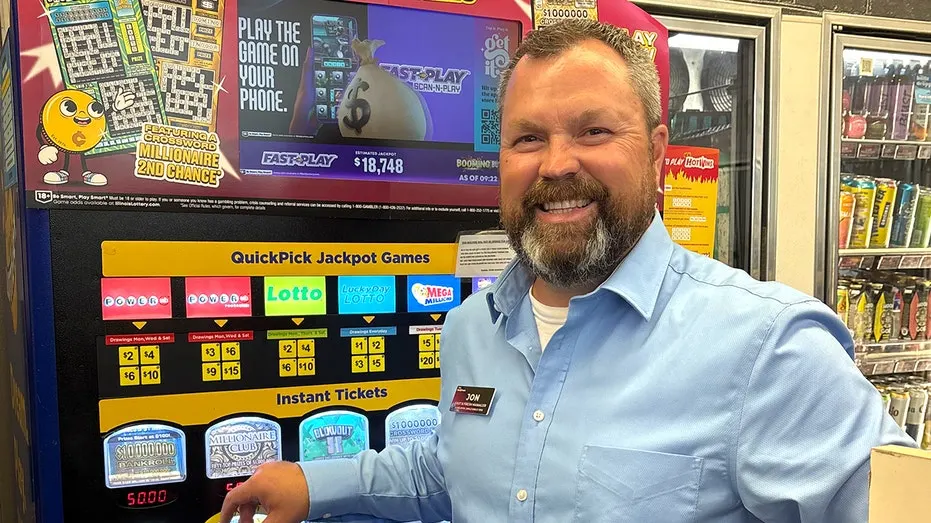
A convenience store in Quincy, Illinois, is awaiting the identification of the person holding a Powerball ticket worth $1.04 billion, sold there on Wednesday night. Store manager Jon Marshall said the uncertainty has captivated the small community, comparing the search for the winner to a murder mystery.
The winning ticket was purchased at the Hy-Vee Gas Fresh & Fast convenience store in Quincy. Marshall, 47, said he learned during the early hours that his shop had sold the jackpot-winning ticket, while the winner’s identity had not yet been made public.
In short
- Quincy awaits identification of its $1.04 billion Powerball winner.
- The winning ticket was sold at a Hy-Vee convenience store.
- Store manager says the mystery has gripped the town.
Steelman: both sides, in good faith
The strongest fair case each way — we don't pick a winner.
The case for
Lottery drawings serve important public accountability functions, and identification of major winners demonstrates the system's integrity and legitimacy. In a small community, natural curiosity about whether a local resident has won such an extraordinary prize is harmless and can strengthen communal bonds through shared excitement. Public identification has been standard practice and represents the transparent nature of the lottery as a public institution.
The case against
Winners deserve protection of their privacy and personal safety, which become genuinely vulnerable following public disclosure of sudden extraordinary wealth. Identification exposes individuals to targeted scams, security threats, unwanted solicitation, and potential resentment, creating significant psychological and practical burdens. Several jurisdictions allow anonymous lottery claims for precisely this reason—because privacy protections are fundamental to safeguarding winners' wellbeing, regardless of public curiosity.
Explained simply
Powerball is a lottery in which players choose numbers for a chance to win a jackpot. The prize goes to the holder of a ticket matching the numbers drawn, so the buyer may remain unknown until they come forward and the ticket is checked.
Quincy is a small city in western Illinois, and the winning ticket was sold at a local convenience store. Until the winner is identified, residents and shop staff can only speculate about who bought it; the large prize has made that uncertainty a topic of local interest.
Paranormal Space Technology Weird & Viral World