Business news and discussion on TalkFuse.
Tougher crops and beaver dams: how UK farmers are tackling drought
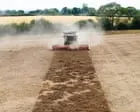
UK farmers are adopting a range of measures to cope with hotter, drier summers, including drought-tolerant crops, healthier soils, ponds, rainwater storage and restoring wetland areas. The changes matter because repeated heatwaves and low rainfall are damaging crops, straining livestock water supplies and increasing reliance on imported vegetables.
This summer’s conditions have produced the earliest UK cereal harvest in at least 20 years, according to the Agriculture and Horticulture Development Board. Heat and water shortages have yellowed cauliflowers, distorted cucumbers and reduced broccoli size, while some farmers are using hedges, trees and water-holding soils to retain moisture. Others want smarter systems to divert excess river flow into farm storage, and are considering natural water-management approaches such as revived marshes and beaver dams.
In short
- Farmers are adapting to more frequent drought and heatwaves.
- Crop damage is increasing vegetable imports.
- Water storage and healthier soils are central responses.
Explained simply
Drought happens when rainfall is too low to meet demand for water. In the UK, hotter summers and repeated periods of low rainfall can leave crops short of water, reduce harvests and make it harder to supply livestock.
Farmers grow crops and raise animals for food, while the Agriculture and Horticulture Development Board provides advice and information to the farming industry. Some farmers are changing what they grow or improving soils so they hold more water; others are storing rainwater or restoring wetlands, where features such as ponds and beaver dams can slow the flow of water.
These choices matter because less home-grown produce can mean greater reliance on imports. They also affect how farms use and store water, which is needed by crops, livestock and communities.
Business Climate Culture Food Research Science UK World