World news and discussion on TalkFuse.
PETER HITCHENS: E-scooters have turned our roads into a lawless Wild West
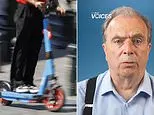
Peter Hitchens, in an opinion column for the Daily Mail, argues that e-scooters have turned Britain's roads into a lawless "Wild West", with riders operating largely without regulation, accountability or basic safety checks. He contends this poses a growing danger to pedestrians and other road users, and calls for urgent government action to bring the vehicles under proper legal control.
Hitchens' central proposal is that e-scooter riders should be required to pass a driving test before being allowed on the road, and that the vehicles should carry number plates so riders can be identified and held responsible for dangerous or illegal riding. The piece reflects wider ongoing debate in the UK over the legal status of private e-scooters, which remain illegal to ride on public roads and pavements outside official rental trial schemes, yet are widely used with little enforcement.
In short
- Peter Hitchens says e-scooters have made UK roads lawless and dangerous.
- He wants riders forced to pass a test before riding.
- He also calls for e-scooters to carry number plates.
Steelman: both sides, in good faith
The strongest fair case each way — we don't pick a winner.
The case for
Supporters of tighter controls argue that widespread, poorly enforced e-scooter use can impose serious risks on pedestrians, cyclists and riders, particularly where machines are ridden on pavements, after dark or by inexperienced users. They contend that clear legal limits, effective policing, training and safer street design are needed because public space should not require vulnerable road users to absorb avoidable danger. The underlying value is that convenience and innovation must be matched by accountability and protection from harm.
The case against
Supporters of broader legalisation argue that e-scooters can provide an affordable, low-emission alternative to short car journeys and help people make first- and last-mile trips without owning a vehicle. They say the present legal framework is confusing and may itself encourage unregulated use, whereas a coherent licensing, insurance and infrastructure system could make riding substantially safer. The underlying value is that transport policy should enable practical new mobility options while managing risks proportionately rather than treating the technology itself as inherently lawless.
Explained simply
E-scooters are small, battery-powered vehicles ridden while standing. In the UK, privately owned scooters cannot legally be ridden on public roads or pavements, while approved rental schemes operate in some areas under trial rules.
The debate centres on how to manage their use and keep people safe. Peter Hitchens argues for tests and number plates so riders can be identified; supporters of tighter controls point to risks for pedestrians and other road users, while questions remain about enforcement and the rules for rental trials.
Americas Government Horror Politics World