World news and discussion on TalkFuse.
America’s promise to our Afghan allies is still unfinished five years later
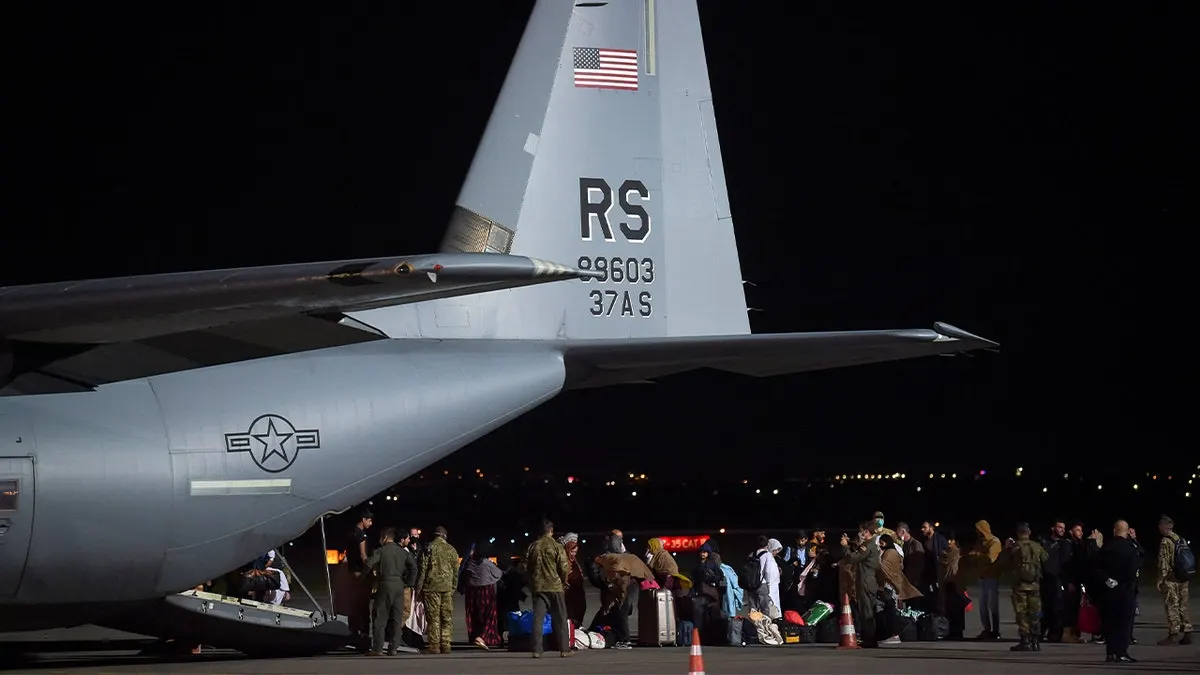
Nearly five years after the US withdrawal from Afghanistan and the Taliban's return to power, the authors argue that America's promise to protect its Afghan wartime allies remains unfulfilled. Many translators, drivers and others who worked with US forces became targets for reprisal, and while a broad coalition of evangelical Christians, veterans' groups and organisations such as World Relief and AfghanEvac mobilised to resettle and support them, most were only granted temporary legal status rather than a permanent route to residency.
Roughly 70,000 Afghans were brought to the US shortly after Kabul's fall in 2021 under Operation Allies Welcome, mostly on humanitarian parole or Temporary Protected Status rather than Special Immigrant Visas, leaving their long-term status uncertain. The Afghan Adjustment Act, introduced in 2022 and 2023 with bipartisan and evangelical backing, would have created a path to green cards and citizenship but failed to pass under President Biden. The authors say the situation has worsened under the second Trump administration, with no Special Immigrant Visas issued to principal applicants in 2026 and pathways for Afghans still abroad effectively shut down.
In short
- Afghan allies still lack permanent legal status five years after US withdrawal
- Afghan Adjustment Act failed to pass Congress despite bipartisan support
- No SIVs issued to Afghan applicants in 2026 under Trump administration
Steelman: both sides, in good faith
The strongest fair case each way — we don't pick a winner.
The case for
These Afghans risked their lives supporting US military operations and now face genuine Taliban persecution, establishing a clear moral obligation to provide permanent resettlement and security. The Afghan Adjustment Act's bipartisan backing demonstrates broad consensus that temporary status is inadequate, and indefinitely leaving 70,000 in precarious legal limbo undermines American credibility with future allies and the values underpinning American foreign partnerships.
The case against
Meaningful protection need not require unlimited permanent resettlement; well-supported temporary status with rigorous vetting can adequately safeguard Afghan allies whilst maintaining security integrity and sustainable integration planning. A carefully measured approach prioritising the most vulnerable, ensuring thorough background checks, and securing equitable international responsibility-sharing may better serve both Afghan allies and American communities than expanding permanent commitments without clear capacity planning or burden-sharing across allied nations.
Explained simply
During the US-led war in Afghanistan, some Afghans worked alongside American forces as translators, drivers and in other roles. After the Taliban returned to power in 2021, many feared reprisals because of that work, and the US evacuated tens of thousands to safety.
Many evacuees entered the United States on temporary permissions, which do not guarantee a lasting right to stay. Special Immigrant Visas offer a route to permanent residence for some Afghans who worked with US forces, while a proposed Afghan Adjustment Act would have created another route for those already in the country.
The issue involves Afghan evacuees, US lawmakers and government agencies, as well as veterans’, faith-based and resettlement organisations. It concerns how the US handles its commitments to former wartime partners and whether people who fled danger can secure a stable future in the country.